Used 2008 Porsche 911 for SaleNationwide
Shop with transparent pricing.
Only show listings that include dealer fees- Year:
- 2008
- Make:
- Porsche
- Model:
- 911
- Body type:
- Coupe
- Doors:
- 2 doors
- Drivetrain:
- Rear-Wheel Drive
- Engine:
- 355 hp 3.8L H6
- Exterior color:
- Black
- Combined gas mileage:
- 20 MPG
- Fuel type:
- Gasoline
- Interior color:
- Black
- Transmission:
- Automatic
- Mileage:
- 107,935
- Stock #:
- C8S730841
- VIN:
- WP0AB29978S730841

2008 Porsche 911
Carrera S Coupe RWD
107,935 mi
$40,430
- Year:
- 2007
- Make:
- Porsche
- Model:
- 911
- Body type:
- Convertible
- Exterior color:
- Basalt Black Metallic
- Interior color:
- Brown (Sand Beige)
- Transmission:
- Automatic
- Mileage:
- 50,392
- Stock #:
- HL3790
- VIN:
- WP0CB29917S776303

-$2,999
2007 Porsche 911
Carrera S Cabriolet RWD
50,392 mi
$50,606
$47,607
- Year:
- 2007
- Make:
- Porsche
- Model:
- 911
- Body type:
- Coupe
- Doors:
- 2 doors
- Drivetrain:
- Rear-Wheel Drive
- Engine:
- 325 hp 3.6L H6
- Exterior color:
- Arctic Silver Metallic
- Combined gas mileage:
- 20 MPG
- Fuel type:
- Gasoline
- Interior color:
- Black
- Transmission:
- 5-Speed Automatic
- Mileage:
- 25,714
- Stock #:
- C710685
- VIN:
- WP0AA29957S710685

2007 Porsche 911
Carrera Coupe RWD
25,714 mi
$65,150
- Year:
- 2009
- Make:
- Porsche
- Model:
- 911
- Body type:
- Convertible
- Doors:
- 2 doors
- Drivetrain:
- Rear-Wheel Drive
- Engine:
- 345 hp 3.6L H6
- Exterior color:
- Arctic Silver Metallic
- Fuel type:
- Gasoline
- Interior color:
- Black
- Transmission:
- 7-Speed Automatic
- Mileage:
- 46,430
- Stock #:
- 23957
- VIN:
- WP0CA29999S740848

2009 Porsche 911
Carrera Cabriolet RWD
46,430 mi
$57,295
- Year:
- 2008
- Make:
- Porsche
- Model:
- 911
- Body type:
- Convertible
- Doors:
- 2 doors
- Drivetrain:
- Rear-Wheel Drive
- Engine:
- 355 hp 3.8L H6
- Exterior color:
- Blue
- Combined gas mileage:
- 21 MPG
- Fuel type:
- Gasoline
- Interior color:
- Gray
- Transmission:
- Manual
- Mileage:
- 24,857
- Stock #:
- 089S
- VIN:
- WP0CB29958S776872

2008 Porsche 911
Carrera S Convertible
24,857 mi
$70,395
- Year:
- 2008
- Make:
- Porsche
- Model:
- 911
- Body type:
- Coupe
- Doors:
- 2 doors
- Drivetrain:
- Rear-Wheel Drive
- Engine:
- 355 hp 3.8L H6
- Exterior color:
- Arctic Silver Metallic
- Fuel type:
- Gasoline
- Interior color:
- Black
- Transmission:
- 6-Speed Manual Overdrive
- Mileage:
- 41,117
- Stock #:
- ASP0317
- VIN:
- WP0AB29938S731193

2008 Porsche 911
Carrera S Coupe RWD
41,117 mi
$74,592
- Year:
- 2008
- Make:
- Porsche
- Model:
- 911
- Body type:
- Convertible
- Doors:
- 2 doors
- Drivetrain:
- All-Wheel Drive
- Engine:
- 355 hp 3.8L H6
- Exterior color:
- [A1] Black
- Combined gas mileage:
- 20 MPG
- Fuel type:
- Gasoline
- Interior color:
- Black/Terracotta
- Transmission:
- Manual
- Mileage:
- 89,801
- Stock #:
- 3680
- VIN:
- WP0CB29938S776210

2008 Porsche 911
Carrera 4S Cabriolet AWD
89,801 mi
$55,145
- Year:
- 2007
- Make:
- Porsche
- Model:
- 911
- Body type:
- Coupe
- Doors:
- 2 doors
- Drivetrain:
- All-Wheel Drive
- Engine:
- 480 hp 3.6L H6
- Exterior color:
- Basalt Black Metallic
- Combined gas mileage:
- 19 MPG
- Fuel type:
- Gasoline
- Interior color:
- Black
- Transmission:
- 6-Speed Manual
- Mileage:
- 41,936
- VIN:
- WP0AD29917S783477

2007 Porsche 911
Turbo Coupe AWD
41,936 mi
$146,995
- Year:
- 2009
- Make:
- Porsche
- Model:
- 911
- Body type:
- Coupe
- Doors:
- 2 doors
- Drivetrain:
- Rear-Wheel Drive
- Engine:
- 385 hp 3.8L H6
- Exterior color:
- Black
- Fuel type:
- Gasoline
- Interior color:
- Black
- Transmission:
- 7-Speed Automatic
- Mileage:
- 41,237
- Stock #:
- 722391
- VIN:
- WP0AB29949S722391

2009 Porsche 911
Carrera S Coupe RWD
41,237 mi
$85,150
- Year:
- 2007
- Make:
- Porsche
- Model:
- 911
- Body type:
- Convertible
- Exterior color:
- Gray (Meteor Grey)
- Interior color:
- Gray
- Transmission:
- Manual
- Mileage:
- 28,317
- Stock #:
- 7S775698
- VIN:
- WP0CB29917S775698

2007 Porsche 911
Carrera S Cabriolet RWD
28,317 mi
$62,309
- Year:
- 2009
- Make:
- Porsche
- Model:
- 911
- Body type:
- Convertible
- Doors:
- 2 doors
- Drivetrain:
- Rear-Wheel Drive
- Engine:
- 385 hp 3.8L H6
- Exterior color:
- Teal (Aqua Blue Metallic)
- Fuel type:
- Gasoline
- Interior color:
- Stone Gray
- Transmission:
- 7-Speed Automatic
- Mileage:
- 48,638
- Stock #:
- 9S754193
- VIN:
- WP0CB29959S754193

2009 Porsche 911
Carrera S Cabriolet RWD
48,638 mi
$66,051
- Year:
- 2009
- Make:
- Porsche
- Model:
- 911
- Body type:
- Coupe
- Doors:
- 2 doors
- Drivetrain:
- Rear-Wheel Drive
- Engine:
- 345 hp 3.6L H6
- Exterior color:
- White
- Fuel type:
- Gasoline
- Interior color:
- Dark Gray
- Transmission:
- 5-Speed Automatic
- Mileage:
- 21,049
- Stock #:
- SP5954A
- VIN:
- WP0AA29979S706267

2009 Porsche 911
Carrera Coupe RWD
21,049 mi
$69,490
- Year:
- 2009
- Make:
- Porsche
- Model:
- 911
- Body type:
- Convertible
- Doors:
- 2 doors
- Drivetrain:
- Rear-Wheel Drive
- Engine:
- 345 hp 3.6L H6
- Exterior color:
- White
- Combined gas mileage:
- 23 MPG
- Fuel type:
- Gasoline
- Interior color:
- Brown (Tan)
- Transmission:
- Automatic
- Mileage:
- 73,604
- Stock #:
- 740741
- VIN:
- WP0CA29929S740741

2009 Porsche 911
Carrera Cabriolet RWD
73,604 mi
$44,850
About 2008 Porsche 911
- Year:
- 2008
- Make:
- Porsche
- Model:
- 911
- Body type:
- Coupe
- Doors:
- 2 doors
- Drivetrain:
- Rear-Wheel Drive
- Engine:
- 325 hp 3.6L H6
- Exterior color:
- Red (Burgundy)
- Combined gas mileage:
- 22 MPG
- Fuel type:
- Gasoline
- Interior color:
- Black
- Transmission:
- 6-Speed Manual
- Mileage:
- 83,578
- Stock #:
- 710849
- VIN:
- WP0AA29978S710849

2008 Porsche 911
Carrera Coupe RWD
83,578 mi
$47,075
- Year:
- 2008
- Make:
- Porsche
- Model:
- 911
- Body type:
- Convertible
- Doors:
- 2 doors
- Drivetrain:
- All-Wheel Drive
- Engine:
- 355 hp 3.8L H6
- Exterior color:
- Black
- Combined gas mileage:
- 20 MPG
- Fuel type:
- Gasoline
- Interior color:
- Black
- Transmission:
- 5-Speed Automatic
- Mileage:
- 81,885
- Stock #:
- 460278B
- VIN:
- WP0CB29918S775931

2008 Porsche 911
Carrera 4S Cabriolet AWD
81,885 mi
$48,150
- Year:
- 2008
- Make:
- Porsche
- Model:
- 911
- Body type:
- Convertible
- Doors:
- 2 doors
- Drivetrain:
- All-Wheel Drive
- Engine:
- 480 hp 3.6L H6
- Exterior color:
- Silver
- Fuel type:
- Gasoline
- Interior color:
- Stone Gray
- Transmission:
- 6-Speed Manual Overdrive
- Mileage:
- 37,346
- Stock #:
- 789282N
- VIN:
- WP0CD29928S789282

-$9,838
2008 Porsche 911
Turbo Cabriolet AWD
37,346 mi
$108,823
$98,985
- Year:
- 2008
- Make:
- Porsche
- Model:
- 911
- Body type:
- Convertible
- Doors:
- 2 doors
- Drivetrain:
- Rear-Wheel Drive
- Engine:
- 325 hp 3.6L H6
- Exterior color:
- Carrara White
- Combined gas mileage:
- 21 MPG
- Fuel type:
- Gasoline
- Interior color:
- Black
- Transmission:
- Automatic
- Mileage:
- 39,882
- Stock #:
- 765781
- VIN:
- WP0CA29998S765781

2008 Porsche 911
Carrera Cabriolet RWD
39,882 mi
$53,065
- Year:
- 2007
- Make:
- Porsche
- Model:
- 911
- Body type:
- Convertible
- Exterior color:
- Black
- Transmission:
- 6-Speed Manual Overdrive
- Mileage:
- 38,842
- Stock #:
- 7S775415
- VIN:
- WP0CB29977S775415

2007 Porsche 911
Carrera S Cabriolet RWD
38,842 mi
$57,599
- Year:
- 2008
- Make:
- Porsche
- Model:
- 911
- Body type:
- Coupe
- Doors:
- 2 doors
- Drivetrain:
- All-Wheel Drive
- Engine:
- 355 hp 3.8L H6
- Exterior color:
- Black
- Combined gas mileage:
- 20 MPG
- Fuel type:
- Gasoline
- Interior color:
- Carrera Red
- Transmission:
- 6-Speed Manual
- Mileage:
- 48,940
- Stock #:
- 26S730597
- VIN:
- WP0AB29908S730597

2008 Porsche 911
Carrera 4S Coupe AWD
48,940 mi
$82,449
- Year:
- 2009
- Make:
- Porsche
- Model:
- 911
- Body type:
- Coupe
- Doors:
- 2 doors
- Drivetrain:
- All-Wheel Drive
- Engine:
- 385 hp 3.8L H6
- Exterior color:
- Basalt Black Metallic
- Fuel type:
- Gasoline
- Interior color:
- Black
- Transmission:
- 7-Speed Automatic
- Mileage:
- 60,558
- Stock #:
- 722875
- VIN:
- WP0AB29949S722875

2009 Porsche 911
Carrera 4S Coupe AWD
60,558 mi
$79,150
- Year:
- 2008
- Make:
- Porsche
- Model:
- 911
- Body type:
- Convertible
- Doors:
- 2 doors
- Drivetrain:
- Rear-Wheel Drive
- Engine:
- 355 hp 3.8L H6
- Exterior color:
- Guards Red
- Combined gas mileage:
- 20 MPG
- Fuel type:
- Gasoline
- Interior color:
- Black
- Transmission:
- 5-Speed Automatic
- Mileage:
- 26,875
- Stock #:
- 6899Q
- VIN:
- WP0CB29918S777047

2008 Porsche 911
Carrera S Convertible
26,875 mi
$60,270
- Year:
- 2008
- Make:
- Porsche
- Model:
- 911
- Body type:
- Convertible
- Doors:
- 2 doors
- Drivetrain:
- Rear-Wheel Drive
- Engine:
- 355 hp 3.8L H6
- Exterior color:
- Arctic Silver Metallic
- Combined gas mileage:
- 20 MPG
- Fuel type:
- Gasoline
- Interior color:
- Black
- Transmission:
- Automatic
- Mileage:
- 50,019
- Stock #:
- 0707ML
- VIN:
- WP0CB29928S775369

2008 Porsche 911
Carrera S Convertible
50,019 mi
$53,980
- Year:
- 2007
- Make:
- Porsche
- Model:
- 911
- Body type:
- Coupe
- Doors:
- 2 doors
- Drivetrain:
- Rear-Wheel Drive
- Engine:
- 325 hp 3.6L H6
- Exterior color:
- Gray
- Combined gas mileage:
- 20 MPG
- Fuel type:
- Gasoline
- Interior color:
- Black
- Transmission:
- 6-Speed Manual
- Mileage:
- 28,910
- Stock #:
- 3857
- VIN:
- WP0AA29977S710137

2007 Porsche 911
Carrera Coupe RWD
28,910 mi
$64,013
Overview

For forty-four years, Porsche, the most race winning car manufacturer on the planet, has refined the 911 model. The 2008 model lineup represents the present peak of that refinement. As Porsche puts it, the 911 is "the precision instrument among sports cars." However, critics of the 911's layout - its engine hangs over the rear axle - call it a "terrible design, brilliantly executed." It has taken those forty-plus years and the automotive electronics revolution to make it brilliant.
Having undergone an extensive revision in 2006, the new car is not your father's tail-happy 911 (actually, among Porsche aficionados this latest model is the 997). For 2008 there are two new trims: the Turbo Cabriolet and the ultimate 911, the GT2.
911s start with a horizontally opposed six-cylinder "boxer" engine. In the beginning it was an air-cooled engine, but as power demands grew, Porsche long ago adopted the advantages of water cooling. The boxer configuration permits a lower center of gravity than the typical vertical engine configuration, thus improving stability and handling. Porsche engines use a form of variable valve timing and valve lift (VarioCam Plus) to enhance power and torque. Their all-alloy engines are products of Porsche's extensive racing experience. Moving up the power chain, Porsche employs turbocharging to propel its faster 911 trims into supercar territory. The 2008 engine lineup ranges from the base Carrera's 3.0-liter, 325-hp engine to the GT2's most powerful 911 production engine ever, the mighty 3.6-liter, 530-hp flat six.
The engines are backed by a new six-speed manual transmission designed to take maximum advantage of the engine. Reviewers unanimously praise the transmission's short, precise throws and easy clutch action. An optional five-speed automatic Tiptronic S transmission with manual control capability is also available. In automatic mode, the transmission selects one of five different gearshift patterns, depending on driving style and the nature of the road. In manual mode, the driver can use steering-wheel rocker controls to change gears. The Tiptronic S will not upshift before entering a corner, nor will it shift in mid-corner. Under heavy braking, the transmission will downshift to assist braking, and an incline sensor improves uphill acceleration. If traction is lost in wet conditions, the transmission will upshift to restore lateral grip.
Forty years of chassis refinement continues with further evolution of the 911's proven front McPherson Strut layout. A new and lighter development of the subframe-based multi-link LSA suspension (Lightweight, Stable, Agile) further refines the rear axle structure. The wheel track has been increased front and rear (varying according to trim level), with weight reduction achieved by replacing the previous steel rear suspension strut with an aluminum one.
The 911 also offers Porsche Active Suspension Management (PASM), an electronic control system that provides continuous damper adjustment to maintain optimum ride quality with two push-button modes, "Normal" and "Sport." The former is more oriented toward comfort, and the latter has a much firmer range of settings for greater performance. PASM responds to changing road conditions and driving styles by varying the damping forces at each wheel. Yet even within its two modes, the system can change to adapt to road conditions. Thus if it's set on "Sport" and the quality of the road surface deteriorates, PASM will automatically revert to a softer rating in order to maintain grip and traction. PASM adapts the way the car handles and rides to the driver's driving style.
The 911 is available with all-wheel drive that's tied into the Porsche Stability Management (PSM) system. With all-wheel drive, at least 5% of the engine's torque is sent to the front wheels at all times. Under normal conditions, the average rear/front torque split is 65/35. The intelligent all-wheel-drive system employs a viscous clutch that samples traction at all four wheels and can instantly transfer an additional 5 - 40% of the engine's power to the front axle, even on changing road surfaces.
Porsche interiors are designed for serious driving. The steering wheel includes height and telescopic adjustment, while the interior has undergone further ergonomic organization to place controls within easy reach. A new multi-function steering wheel is offered for the first time as a 911 option. The front seats have been reengineered to provide more comfort and lateral support. The rear seats, considered by all reviewers to be humanly uninhabitable, fold down to add 7.24 cubic feet of storage space. Various sport seat options are available. Reviewers found the standard seating comfortable for both sport and long-distance driving.
Standard safety equipment includes six airbags (dual front, side and head), antilock disc brakes, and traction and stability control (except in the GT3). Porsche Stability Management (PSM) employs a range of sensors that monitor the car's dynamics. It can correct for both over- and understeer conditions. The system can be turned off for fuller appreciation of the 911's road-handling qualities, but will intervene under heavy braking when at least one front wheel requires ABS assistance. The Porsche braking system is race-bred and one of the most effective available.
*CarGurus meticulously monitors the prices of millions of pre-owned vehicle listings, offering users precise and up-to-date market insights. Historical pricing data excludes any additional dealer fees as of May 3, 2026.
5.0 Overall rating
Filter by rating
Tom M
Reviewed a 2008 Porsche Targa 4 Coupe AWD on Oct 25, 2013
Looks and drive ability are the main features I was looking for! Fun to drive and safe, and thanks to the AWD, I can handle it. Braking is terrific. Acceleration is out of this world, and you feel locked to the road surface.
Steve W
Reviewed a 2008 Porsche Targa 4S Coupe AWD on Apr 24, 2010
Still the quintessential sports car after four decades, the 2008 Porsche 911 has a unique blend of style, performance and sound that you can enjoy everyday For some irrational reason I've always been taken by the Targa. This one especially is very TOUGH!
Nav B
Reviewed a 2008 Porsche Turbo Coupe AWD on May 19, 2008
Bulid quality is fantastic. with this car you feel at one with the car. It is very poised and precise. Accelaration and handling that can re-define you internal organs with a 10 minute intense drive
John C
Reviewed a 2008 Porsche Carrera S Coupe RWD on Jun 13, 2011
After BMW M3 & M5 , the 911 Carrera S is the next car to trade up to. Love the styling, the heritage, the stance, the setup and the rawness you get in every 911. It is a high reving 6 motor with power almost at all rpm range and screams towards redline/
2008 Porsche 911 Trims
| Trim type | MSRP |
|---|---|
| Carrera 4S Coupe AWD | $89,700 |
| Carrera Cabriolet RWD | $83,800 |
| Carrera S Coupe RWD | $83,800 |
| Carrera 4S Cabriolet AWD | $100,000 |
| Carrera Coupe RWD | $73,500 |
| Turbo Coupe AWD | $126,200 |
| Carrera S Convertible | $94,100 |
| Turbo Cabriolet AWD | $136,500 |
*CarGurus meticulously monitors the prices of millions of pre-owned vehicle listings, offering users precise and up-to-date market insights. Historical pricing data excludes any additional dealer fees as of May 3, 2026.
2008 Porsche 911 Price Trends
CarGurus tracks the prices of millions of used car listings every year. See how the average price of 2008 Porsche 911 prices has changed over time.
See more price trends*CarGurus meticulously monitors the prices of millions of pre-owned vehicle listings, offering users precise and up-to-date market insights. Historical pricing data excludes any additional dealer fees as of May 3, 2026.
FAQs
How much does the 2008 Porsche 911 cost?
How many 2008 Porsche 911 vehicles have no reported accidents or damage?
What is the fuel economy of the 2008 Porsche 911?
What fuel types are available?
*CarGurus meticulously monitors the prices of millions of pre-owned vehicle listings, offering users precise and up-to-date market insights. Historical pricing data excludes any additional dealer fees as of May 3, 2026.
Relevant articles

The Most Reliable Luxury Cars of 2026
Luxury cars give you the best of most things but which are the most reliable luxury cars you can buy? Our guide has all the details.

The Best New Cars for Old Money Style in 2026
Whether you’re looking for something classic and timeless or you just want a nice vehicle that doesn’t project extreme affluence, there are a lot of new vehicles on the market today that feel luxurious, look elegant, yet don’t attract much attention.
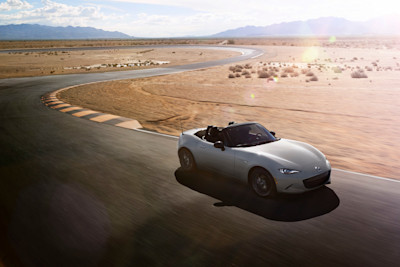
The Best Track Cars of 2026
The best track day cars can handle a hard day of racing and then head back home to serve as a daily driver. Here are our picks for the very best track car choices in 2025.

