Redesigned for the 2027 model year, Hyundai’s compact crossover SUV exemplifies affordable style for the road.
2027 Hyundai Tucson Pricing, Specs, and Release Date
- What’s New for the 2027 Hyundai Tucson
- Design
- Powertrain
- Interior
- Technology
- Safety
- Pricing and Release Date
- Further Research

What’s New for the 2027 Hyundai Tucson
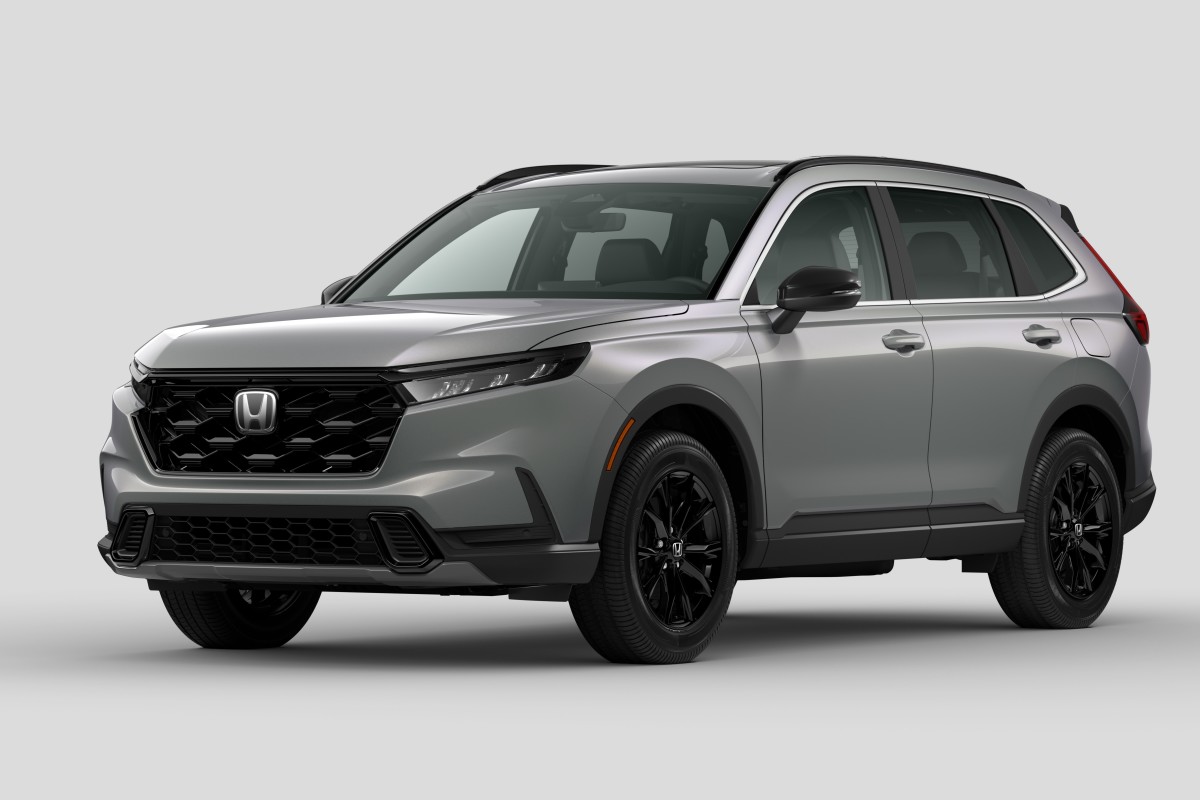
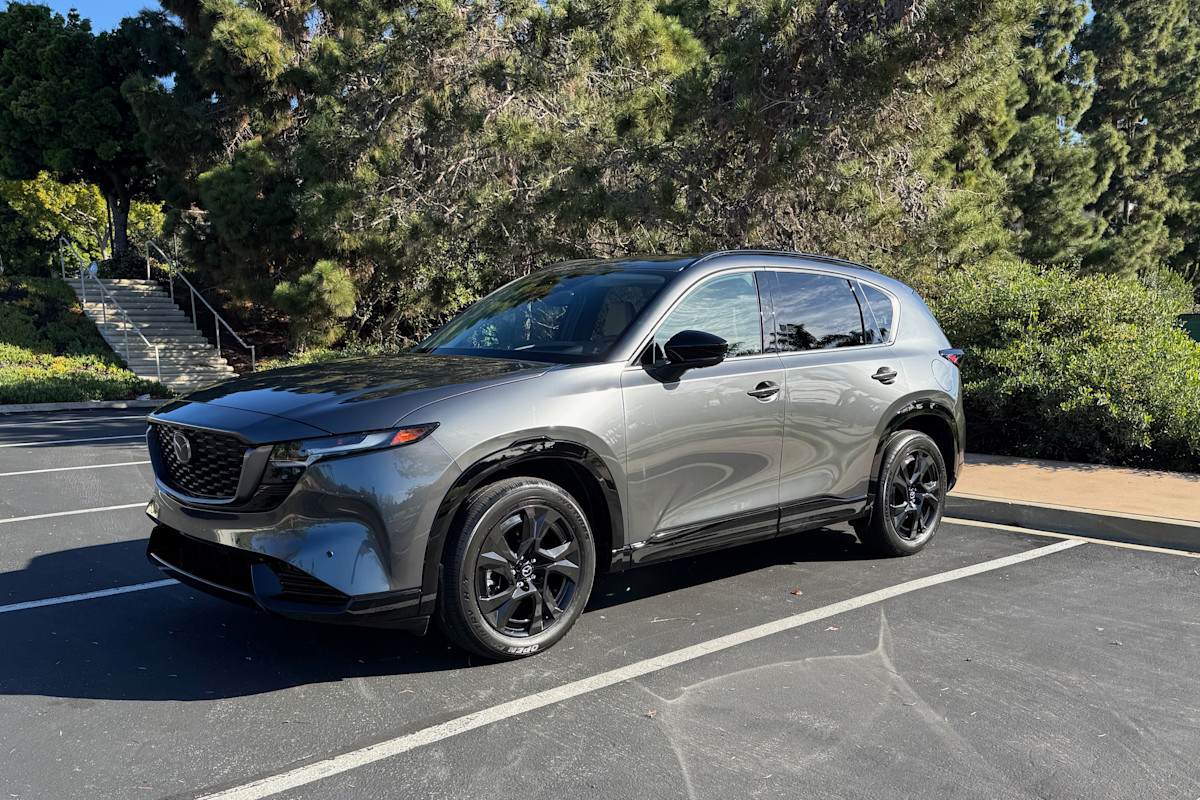
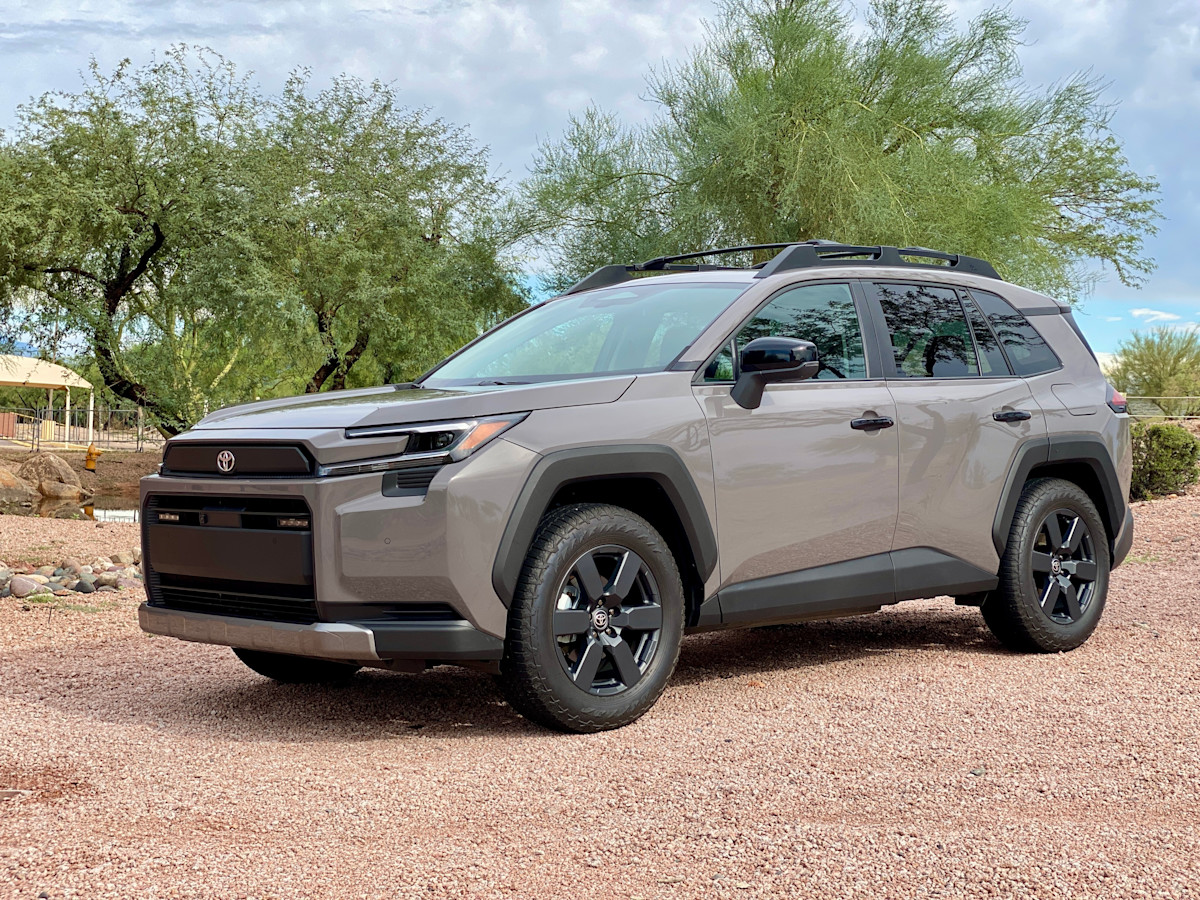
For 2027, the Hyundai Tucson gets its first redesign in six years, which brings this crossover into its fifth generation. New exterior styling and an interior modeled on the larger Santa Fe and Palisade are accompanied by Hyundai’s latest infotainment system and updated powertrains. Gasoline and hybrid options return, but the U.S. market no longer gets a plug-in hybrid. The Tucson competes with the Honda CR-V, the Kia Sportage, the Subaru Forester, and the Toyota RAV4, among others.
Design
While the last Tucson also made a bold design statement, the 2027 model goes in a completely different direction. The outgoing model was relatively sleek and sporty, but the 2027 Tucson doubles down on traditional SUV ruggedness. The defining features of the new Tucson are a boxy shape, pronounced fender flares that wouldn’t look out of place on a 1980s rally car, and a new take on LED lighting. Vertical and horizontal bars emphasize the width and height of the front end, giving the Tucson an imposing appearance without the large grilles some brands resort to. At the back, blade-like taillights stand proud of the rear fascia—a detail we’d normally expect to see on a luxury car. The full options list wasn't available at the time of writing, but wheels ranging from 17 inches to 20 inches will be offered on at least some trim levels globally. Hyundai also confirmed some new paint colors, including Ranger Green, Kodiak Blue, Driftwood Gray, and Red Rock Orange. Availability may vary by trim level.
Powertrain
For 2027, non-hybrid Tucson models switch from a naturally aspirated 2.5-liter four-cylinder engine to a 1.6-liter turbocharged four-cylinder. The new engine is expected to produce 187 horsepower and 195 pound-feet of torque (17 lb-ft more than the outgoing engine). The turbo-four engine is connected to an eight-speed automatic transmission, and Hyundai once again offers both front-wheel drive (FWD) and all-wheel drive (AWD) on most trim levels. The company expects EPA-rated fuel economy of up to 28 mpg with FWD and 26 mpg with AWD. That’s about the same as the 2026 model.

Interior
In contrast to the boxy exterior, the interior adopts the curved surfaces of the larger Hyundai Santa Fe and Palisade. They look equally appealing here, although the materials appear to have been slightly downgraded in accordance with the Tucson’s lower price point. The new Tucson is 2.4 inches longer, 1.5 inches wider, and 0.7 inches taller than the outgoing model, with a 1.1-inch longer wheelbase. That translates to extra headroom in the front and rear seats. First-row legroom stays the same, but second-row legroom increases by half an inch. The rear seats are accessed by doors that swing open an extra-wide 83 degrees. The 41.7 cubic feet of cargo space behind the rear seats is slightly more than the current model offers, and the wide tailgate opening and low rear bumper should make it easy to access. Storage for small items up front is also generous, thanks in part to a twist-grip shifter mounted on the steering column, like in other current Hyundais.
Technology
The redesign brings a 9.9-inch digital instrument cluster and a 12.9-inch central touchscreen. Starting with the 2027 model year, Hyundai is rolling out a new infotainment system called Pleos Connect that retains wireless Apple CarPlay and Android Auto support but features a new screen layout and an AI voice assistant called Gleo. The slim instrument cluster sits at the top of the dashboard and is designed to always be within the driver’s line of sight without being blocked by the steering wheel. Pleos Connect divides the touchscreen’s main menu into two sections, with vital information closer to the driver and other functions to the right, but there are dedicated physical controls for audio and climate functions, so drivers don't have to rely on the screen. Dual 15-watt wireless charging pads are also available, located in the center console.