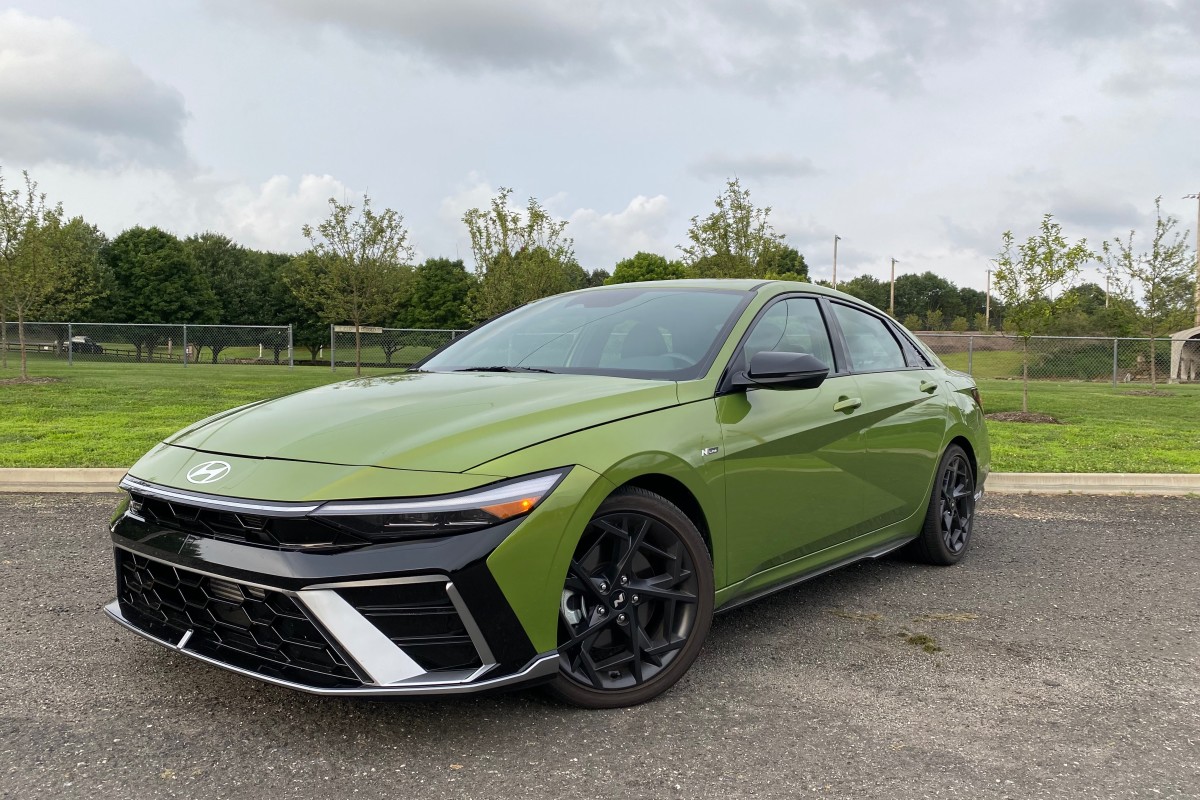
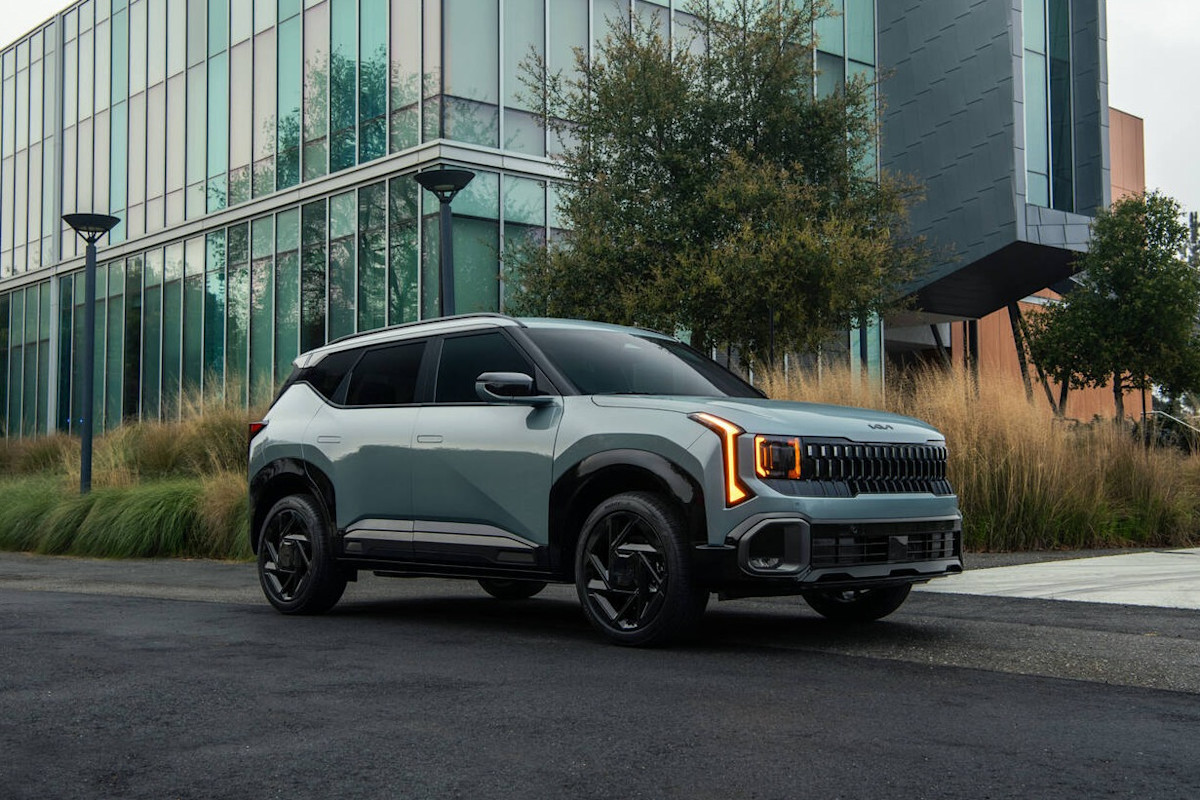
The Hyundai Venue is a subcompact SUV, though it's at least 6 inches shorter than the diminutive Kia Soul, which is considered its closest competitor. Other vehicles in this segment at the time of Venue's launch in 2020 include the Toyota C-HR, the Nissan Kicks, the Ford EcoSport, and the Mazda CX-3—most of which have exited the market. Current competitors are at least a foot longer than the Hyundai and include the Nissan Kicks, the Mazda CX-30, the Chevrolet Trax, the Kia Seltos, the Hyundai Kona, and the Toyota Corolla Cross.
The Venue’s compact size and low price set it apart from its competitors at the get-go. Sure, it doesn’t offer all-wheel drive or a hybrid powertrain, but that’s how the price has stayed so low. As of mid-2026, it’s the lowest-priced and the smallest new subcompact SUV available. The only other model that gives Venue a run for its money is the Trax, which starts at about $1,000 more. Even at its low price point, buyers still get attractive, modern styling and a standard 8-inch infotainment screen with Apple CarPlay and Android Auto—even with the earliest models.
Buyers looking for a compact, easy-to-park and practical SUV should certainly consider the Hyundai Venue. Even though it retains its value well throughout the years, it still costs at least $1,000 to $2,000 less than its primary competitors on the used car market. Low upkeep costs, a decent reliability record, and good fuel economy make it an excellent option for budget-minded shoppers.
A second-generation Venue was introduced in some international markets in late 2025, but Hyundai hasn't confirmed whether it will reach the U.S. Our guide focuses on the first-generation Venue, which remains on sale new.
Hyundai Venue Buying Guide: Cost, Reliability, and the Best Years to Buy
Frequently Asked Questions
Which Hyundai Venue years are the best?
Even though the Hyundai Venue is still in its first generation, it’s one of those rare vehicles with few recorded problems and recalls, according to the National Highway Traffic Safety Administration (NHTSA). Even Consumer Reports gives most model years a higher-than-average predictive reliability rating. We’d recommend starting with the 2024 model year, which has one recall and just 16 consumer complaints.
Which Hyundai Venue years are the worst?
While the Hyundai Venue has been relatively problem-free in its first generation, we still hold onto the old adage that it’s generally worth steering clear of the first model year, so we'd avoid 2020. Even though it only has 40 consumer complaints logged on the NHTSA.gov website, that’s more than any other model year. CarComplaints.com dubs this the worst model year to buy due to interior problems. We’d rate 2022 as the second-worst year due to Consumer Reports’ low owner satisfaction score.
Is a used Hyundai Venue a good deal?
The Hyundai Venue tends to hold its value well, and even looking at the original 2020 model year, the average price is going to be more than $10,000 for any trim. For the best value, we’d recommend looking for top-trim used vehicles. Even though they're a little more expensive, they have the deepest discounts and the best features. Furthermore, the Venue is generally considered one of the cheapest vehicles in its segment to own due to its excellent fuel efficiency, low maintenance needs, and low insurance rates.
Pros and Cons
Pros:
- Excellent value for money
- Good fuel economy
- Small and easy to park
Cons:
- Sluggish performance
- Not much cargo space
- Excessive interior noise
Hyundai Venue Generations
Hyundai Venue First Generation (2020-Present)
When the Hyundai Venue entered the market for the 2020 model year, it raised the bar on the entry-level subcompact SUV category with a lot of features for the money. It is also one of the smallest SUVs sold in North America.
To help keep costs down, this is a front-wheel-drive-only model, and it shares a platform with the now-defunct Accent. The Venue is equipped with a 1.6-liter inline-four engine that delivers 121 horsepower and 113 pound-feet of torque. Though it is not offered with all-wheel drive, some trims have a “Snow Mode” that adapts the way the engine and brakes react to maximize grip in slippery conditions. The 2020 model had a six-speed manual transmission with the base SE trim, and a continuously variable transmission was available on the base and standard on all other trims. The manual was dropped for 2021, and the CVT became the only option.
At launch, the Venue had three trims: SE, SEL, and Denim. In 2022, the Denim trim was dropped in favor of a top-tier Limited. In 2026 this trim was dropped, and only the SE and SEL trims remained at the time of writing.
Standard features for the SE model at launch included 15-inch steel wheels, an 8-inch infotainment screen, wired Apple CarPlay and Android Auto, cruise control, a manual tilt/telescoping steering wheel, and Hyundai’s SmartSense safety suite that includes automatic emergency braking. The SEL trim added drive modes, four-wheel disc brakes, 17-inch alloy wheels, roof rails, and dual USB ports. At this level, there were two available packages—Convenience and Premium—which added features such as push-button start, heated front seats, Hyundai BlueLink connected services, LED headlights, a power sunroof, blind-spot monitors, and rear cross-traffic alert, and we reckon the SEL package is worth it. The Denim trim added Denim blue exterior paint, a white roof, and denim-colored interior cloth seats. It added all the package options from the SEL as standard fare, except the sunroof.
In 2021, standard wheels became 15-inch alloys, and in 2022, the SEL trim got a standard power sunroof. This model year also got an engine immobilizer to combat theft concerns. Though the Venue got a mid-cycle refresh in other markets in 2023, this did not come to North America. More standard safety features were added, however, and wireless charging became standard for the Limited trim. The 2024 model year added dual rear USB-C charge ports for SEL and Limited trims. In 2025, the SEL got standard blind-spot monitors and rear cross-traffic alert. In 2026, the SEL received more standard premium features to accommodate the discontinuation of the top-tier Limited trim.
The National Highway Traffic Safety Administration consistently gives the Hyundai Venue a four-out-of-five-star safety rating across all model years. The Insurance Institute for Highway Safety initially awarded the Venue a Top Safety Pick designation for 2020 through 2023 model years, but the Venue fell off this list in 2024 when the IIHS updated its crash-test methods.
Though the Hyundai Venue has so far remained relatively problem-free, there are a few recalls and problems to watch out for. The 2020 to 2023 models were recalled for seat belt pretensioners that could explode in the event of a crash. Additionally, some 2024 models were recalled for a potential short in the Exhaust Gas Recirculation (EGR) valve, which could cause a sudden loss of drive power, so buyers should ensure both of these recalls have been repaired. Additional complaints to watch out for include a bucking or slipping CVT (2020-2022), infotainment freezes (2020-2021), an inoperable horn, excessive oil consumption, and fuel pump failures (2020-2021).
At the time of writing, nearly 2,000 used Hyundai Venues were listed on CarGurus. Prices range from about $7,000 for a 2021 SEL trim with more than 100,000 miles to about $30,000 for a 2025 SEL with about 34,000 miles. Cars with fewer than 60,000 miles and no damage or accidents reported start from $13,000 for a 2021 SE trim, and there are plenty of options of varying trims and years below $19,000.
Related Topics