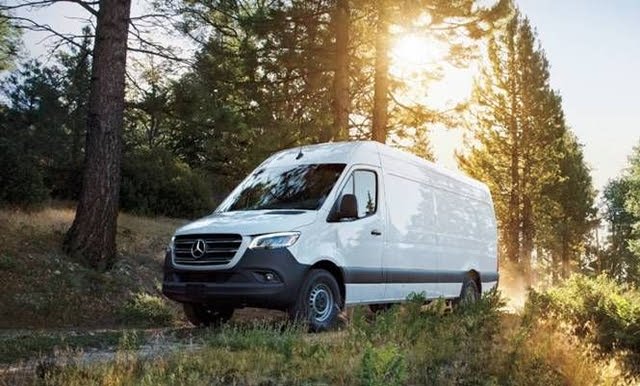
The Sprinter’s reputation had well and truly preceded it the time the first generation arrived in the U.S. in 2002. American models were known as Freightliner Sprinters and had a different grille. The Freightliner brand had been owned by Mercedes since 1981 and it was adopted for the Sprinter to protect the prestige of Mercedes-Benz in the American luxury market. The second-generation model wore the Freightliner badge until it became the Mercedes-Benz Sprinter from the 2010 model year.
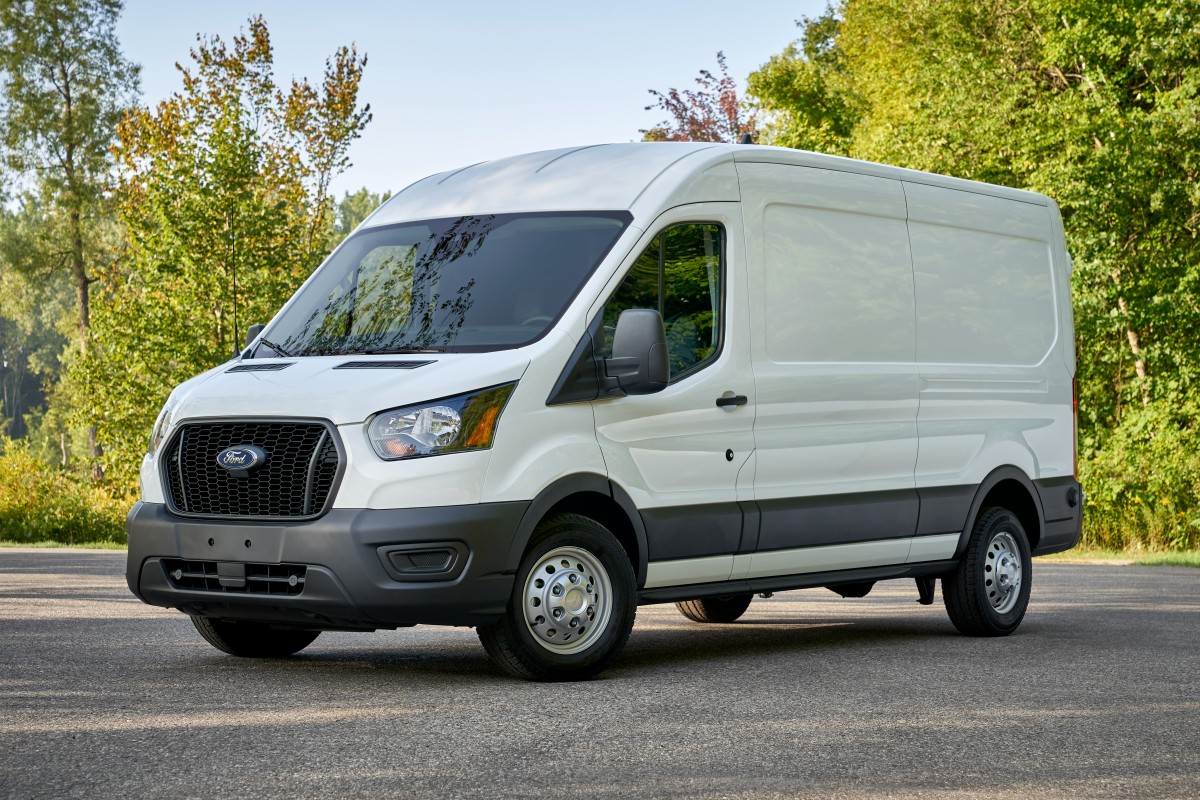
Today, the third-generation Sprinter competes at the top of the full-size van segment alongside the Ford Transit and the Ram ProMaster, but consistently occupies a category of its own when it comes to build quality, safety, and refinement.
Mercedes-Benz Sprinter Buying Guide: Cost, Reliability, and the Best Years to Buy
Frequently Asked Questions
Which Mercedes-Benz Sprinter years are the best?
The best Mercedes-Benz Sprinters are the later, second-generation models from 2017 to 2018, because they strike a good balance between modern tech and proven drivetrains. The issues with the diesel emissions system found in the early model years of the second generation had been largely addressed by the end of it.
Which Mercedes-Benz Sprinter years are the worst?
The 2010 to 2013 model years of the Mercedes-Benz Sprinter are the worst. There were many issues with the emissions systems required for the BlueTEC diesel systems, which can result in costly repairs. Due to changing emissions regulations, Mercedes-Benz introduced a diesel exhaust fluid (DEF) system to improve tailpipe emissions and faced many teething issues.
Is a used Mercedes-Benz Sprinter a good deal?
The Mercedes-Benz Sprinter can be a good deal, but it requires more maintenance than the options from Ford and Ram. Buyers must be careful to check the condition and maintenance history of a potential purchase. The added complexity and premium position of the Sprinter means ownership can quickly be expensive, making the Sprinter a riskier choice compared with options from Ford and Ram.
Pros and Cons
Pros:
- Impressive driving dynamics
- Practical and configurable
- Loaded with tech
Cons:
- High cost of entry
- Requires more maintenance than competitors
- Questionable reliability
Mercedes-Benz Sprinter Generations
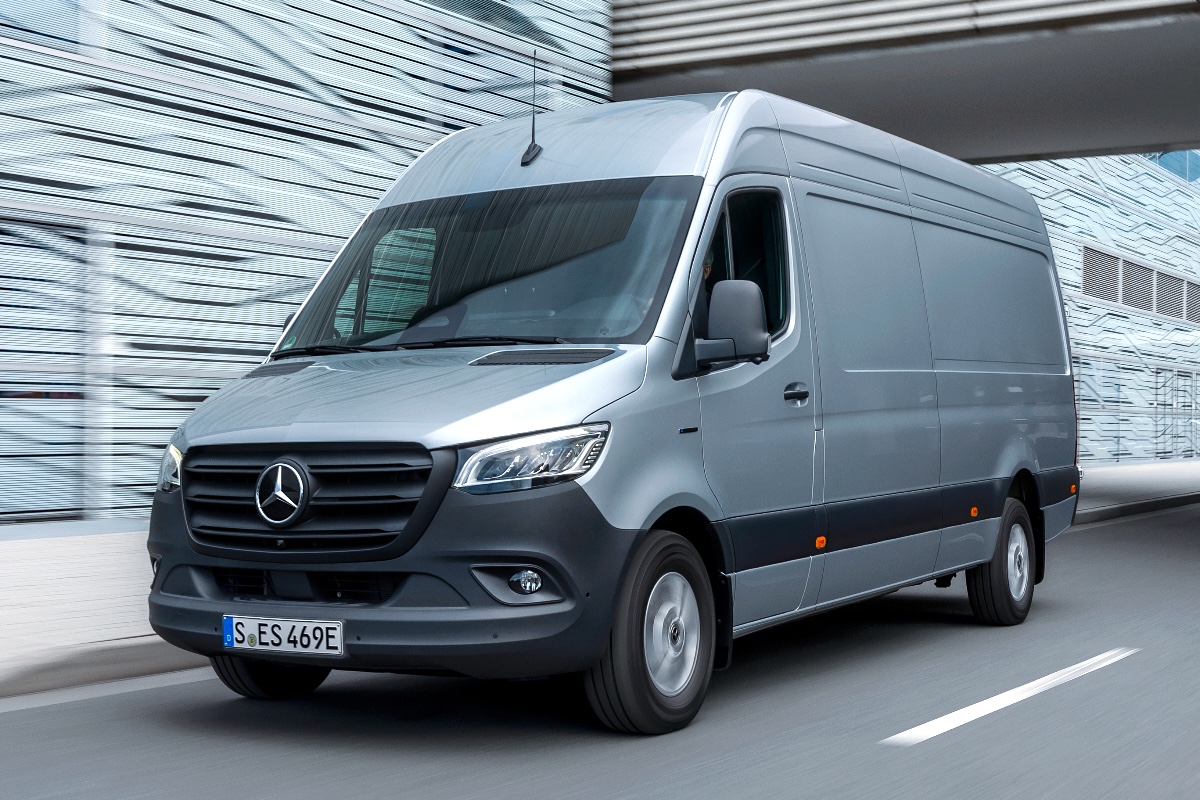
Mercedes-Benz Sprinter Third Generation (2019–Present)
Introduced for the 2019 model year, the third-generation Mercedes-Benz Sprinter was a ground-up redesign. The exterior received a modern design while retaining the familiar tall, boxy proportions that made the Sprinter iconic. For the first time, American-market Sprinters were fully assembled here, at Mercedes-Benz's plant in South Carolina.
Two engines were offered at launch. Alongside the carry-over 3.0-liter turbodiesel V6, now updated to 188 horsepower and 325 pound-feet of torque and paired to a seven-speed automatic, there was a new turbocharged gasoline four-cylinder producing 188 hp and 258 lb-ft of torque, paired with a nine-speed automatic. The third generation remained the only full-size van on the market available with a four-wheel-drive (4WD) system.
Cargo versions offered up to 524 cubic feet of space (more than the largest Ford Transit), while passenger variants could seat 12 on the standard wheelbase or up to 15 in long-wheelbase form. The interior continued to draw praise for its car-like refinement, well-shaped seats, and low road noise. The optional Swivel Seat package added further convenience.
Inside, the cabin took a leap forward with the introduction of Mercedes' MBUX infotainment system, Apple CarPlay and Android Auto compatibility, and a full suite of connectivity options including USB-C ports, 12V DC outlets, 115V AC outlets, and wireless charging. The configuration options were staggering. Mercedes claimed up to 1,700 different combinations of body style, body length, cab design, payload rating, load-compartment height, and drivetrain layout.
For the 2020 model year, Mercedes expanded the Sprinter’s available driver assistance technology, adding rear cross-traffic alert, active lane-keep assist, active cruise control with distance assist, automatic emergency braking, trailer stability assist, and a revised crosswind assist system. A 2.0-liter turbodiesel four-cylinder engine producing 166 hp and 266 lb-ft of torque also joined the lineup that year, paired with the same seven-speed automatic found in the six-cylinder. For 2021, automatic emergency braking, cruise control, a multifunction steering wheel, and power-adjustable mirrors all became standard equipment.
The most significant mechanical update came for 2023, when the V6 turbodiesel was discontinued and the lineup consolidated around a trio of four-cylinder engines: a 188 hp gas unit and 168 hp or 208 hp turbodiesels, all now paired to a new nine-speed automatic. The 4Matic all-wheel-drive system was also new and optional on all models. No longer offered with a low-range transfer case, the system was revised with a longer first gear and a rebalanced 50/50 front-to-rear torque split.
For 2024, the engine menu was further simplified to 170 hp or 211 hp diesel options. A color instrument cluster display and a heated driver's seat became standard, and the battery-electric E-Sprinter joined the lineup as a new model. The 2025 model year brought rain-sensing wipers and tire pressure monitoring as standard on dual-wheel models, along with a smarter blind-spot system capable of detecting cyclists during right turns and a 360-degree camera that warns of pedestrians when pulling away from a stop.
The third-generation Sprinter is still relatively new and long-term reliability data is limited, but early indications are mixed. The MBUX infotainment system and the expanded suite of electronic driver aids add considerable complexity compared with the previous generation, and owners have reported software glitches and issues with sensors. The diesel emissions system (DEF) can be costly to maintain, with the exhaust gas recirculation (EGR) valve and the diesel particulate filter (DPF) each requiring attention. The transition away from the proven 3.0-liter V6 to the four-cylinder diesels in 2023 was a good one, as the newer engines don't have the long track record of the V6.
According to CarGurus used pricing data, early third-generation Sprinters from 2019 to 2021 start in the high-$10,000s and peak at around $35,000 depending on configuration, mileage, and condition. Cleaner, lower-mileage 2022 and 2023 examples typically start around $45,000 and can climb well past $60,000 for well-equipped or all-wheel-drive variants. New 2026 Sprinters carry a base MSRP starting in the low $50,000s for base cargo configurations, with fully optioned or high-roof passenger models easily reaching $75,000 or more. As with the previous generation, professionally converted camper and expedition builds carry substantial premiums.
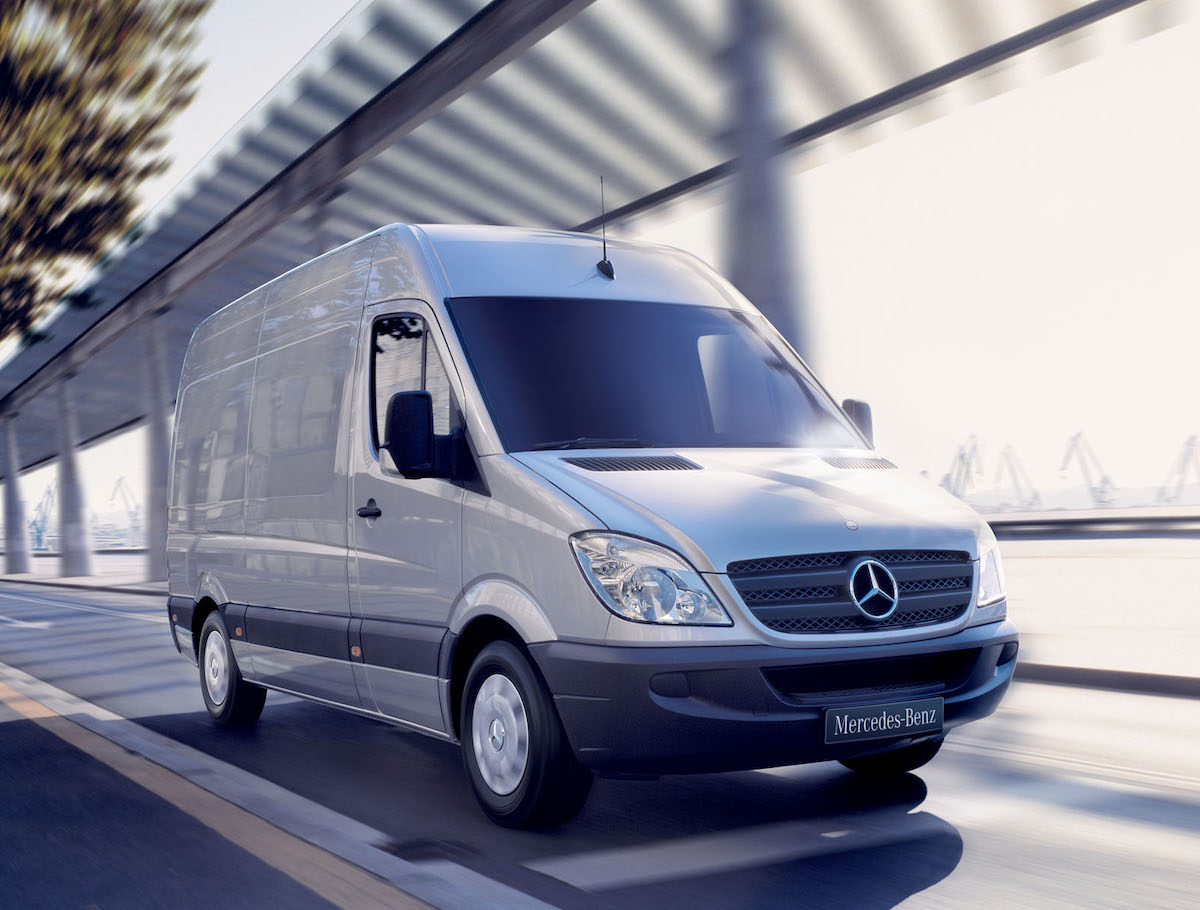
Mercedes-Benz Sprinter Second Generation (2006–2018)
The second-generation Mercedes-Benz Sprinter arrived in North America in early 2006, initially sold under Freightliner and Dodge nameplates before being relaunched as a Mercedes-Benz for the 2010 model year. Built on the then-new NCV3 platform, it was a major improvement over its predecessor in size, capability, and comfort. An impressive array of configurations was available from the start: three wheelbases, four vehicle lengths, and three roof heights. Electronic Stability Program (ESP) also came standard, a meaningful safety addition for a vehicle of this size.
The second Sprinter made a strong case for itself on practicality alone. Its sliding cargo door was wide enough to accommodate a standard pallet, the rear doors swung a full 270 degrees (the widest in the class), and it offered the lowest step-in height of any competitor. Inside, the cabin drew praise for feeling more like an SUV than a work van, while its comfortable ride and pleasant driving dynamics surprised many, given the vehicle's exterior dimensions and utilitarian intent. All Sprinters in this generation were powered by Mercedes' BlueTEC 3.0-liter turbodiesel V6, paired with a five-speed automatic transmission.
The 2014 model year brought a midcycle refresh, adding a restyled grille, new angular headlights, and a redesigned front fascia. More importantly, it introduced a suite of driver-assist technologies including crosswind stabilization, lane-departure warning, high-beam assist, and optional blind-spot monitors and collision avoidance systems. A new four-cylinder 2.1-liter turbodiesel engine was added to the lineup, paired with a seven-speed automatic, giving buyers a more fuel-efficient option. The 2500 and 3500 heavy-duty models continued in two wheelbases and standard- or high-roof configurations.
In 2015, Mercedes introduced a 4x4 variant with a proper four-wheel-drive system, optional low-range gearing, and a raised ride height, opening the Sprinter up to serious off-road and expedition use for the first time. A budget-friendly "Worker" trim arrived in 2017, and by 2018 the base four-cylinder engine was discontinued, leaving the more powerful V6 diesel as the sole powertrain.
The second-generation Sprinter has earned a reputation for longevity when properly maintained. High-mileage examples are quite common, particularly among fleet and commercial operators, but there are some problem areas. The DEF system and associated emissions components, including the EGR valve and the DPF, are the common culprits. These repairs can get expensive very quickly, so it's worth checking the emissions system health carefully on any used example. Early pre-2014 models may also show their age in the form of rust, particularly around the rear wheel arches and undercarriage, so a thorough inspection underneath is essential.
Transmission service history matters too, with both the five-speed on V6 models and the seven-speed on four-cylinders benefiting from regular fluid changes that tend to be neglected. On the plus side, the second-generation Sprinter has a broad and well-developed independent repair network, and parts availability is generally good.
CarGurus used pricing data shows that values for used second-generation Sprinters vary widely depending on configuration, mileage, and condition. Pre-2014 models in high-mileage commercial spec can be found in the $10,000 to $18,000 range, while cleaner, lower-mileage examples and post-2014 refreshed models typically command $20,000 to $35,000. The 4x4 variants introduced in 2015 carry a significant premium, and buyers can expect to pay $40,000 or more for a well-maintained example. Professionally converted camper vans command the largest premiums, with prices reaching over $80,000 depending on the build quality.

Mercedes-Benz Sprinter First Generation (2002–2006)
Before it wore a Mercedes badge on American roads, the first-generation Sprinter arrived in 2002 under the Freightliner nameplate to separate the luxury Mercedes brand from the commercial van market. A Dodge-badged version followed a year later, giving the platform even broader reach through Chrysler's extensive dealer network.
Underneath, the first-generation Sprinter was a genuinely sophisticated vehicle for its class. It featured independent front suspension and a rear-wheel-drive system that gave it handling and ride characteristics well ahead of the competition. Standard safety equipment was equally ahead of its time, with four-wheel disc brakes and an ABS system. ESP was standard equipment on the Sprinter, which helped it set a new benchmark for active safety in the commercial van segment.
First-generation Sprinters are now well over two decades old, and surviving examples have typically accumulated significant mileage thanks to regular commercial or fleet service. The diesel engines from this era are known for their durability when maintained, but age-related issues are the primary concern. Rust is a problem, particularly around the rear wheel arches, rocker panels, and the undercarriage, and examples should be thoroughly inspected before purchase. Parts availability for this generation can be more challenging than for later models, so it's worth confirming that a local specialist is comfortable working on these older Sprinters before committing to a purchase.
First-generation Freightliner and Dodge Sprinters are the most affordable entry point into Sprinter ownership. Drivable examples in fair condition can be found in the $5,000 to $10,000 range, while cleaner, lower-mileage survivors can command up to $18,000 or more. Given their age, pricing is heavily dependent on condition, and a thorough pre-purchase inspection is recommended.
Related Topics