Whether you are looking to escape the paved world for a weekend camping trip or need a rugged daily driver that can handle severe weather and rutted dirt roads, a dedicated off-road vehicle offers unmatched capability and peace of mind. Unlike standard crossover SUVs, true off-roaders are built with specialized hardware—such as robust four-wheel drive (4WD) systems, locking differentials, and elevated ground clearance—designed to conquer steep grades, deep sand, and rocky trails. They provide the traction and durability required to explore nature confidently, making them the perfect companions for outdoor enthusiasts and adventure seekers.
Today's market offers an impressive variety of off-road vehicles that balance trail-ready performance with everyday usability. Midsize pickup trucks like the Toyota Tacoma and Chevrolet Colorado provide excellent utility for hauling muddy gear, while full-size options like the Ram 1500 offer luxurious cabins and massive towing power. If you prefer an SUV, iconic nameplates like the Ford Bronco and Jeep Wrangler deliver open-air thrills, while the Land Rover Defender and Mercedes-Benz G-Class prove that you don't have to sacrifice premium comfort to tackle the wilderness.
CarGurus expert rating: 8.2 out of 10
CarGurus user rating: 4.6 out of 5
Percentage of Good and Great Deals available on CarGurus: 35.7%
Overall CarGurus rating: 4.6 out of 5
Pros
Cons
Stylish design
Poor fuel economy
Multiple body styles
Gets expensive quickly
Impressive off-road capability
For shoppers prioritizing trail capability in a 2026 off-road vehicle, the Land Rover Defender leans into the brand’s core identity with a design that looks the part and the kind of go-anywhere hardware people expect when they hear “Defender.” It also gives buyers flexibility with multiple body styles, which can matter if you’re trying to balance everyday duty—like commuting and road trips—with weekend adventures that involve dirt, ruts, and rocky access roads.
Day to day, the biggest trade-offs are the ones that tend to come with serious off-road SUVs: fuel economy that can be tough to justify if most miles are on pavement, and pricing that can climb quickly as you add features and upgrades. Still, if your priority list starts with real-world off-road capability and you want something that feels true to Land Rover’s roots, the Defender fits that brief.
The CarGurus Verdict:"The Defender is what a Land Rover should be." - Stephen Edelstein
CarGurus expert rating: 8 out of 10
CarGurus user rating: 4.7 out of 5
Percentage of Good and Great Deals available on CarGurus: 32.9%
Overall CarGurus rating: 4.6 out of 5
Pros
Cons
Multiple powertrain options
Advanced safety features are not standard
Premium interior materials in high-end models
No base two-door work truck
Luxurious and off-road-ready models offered
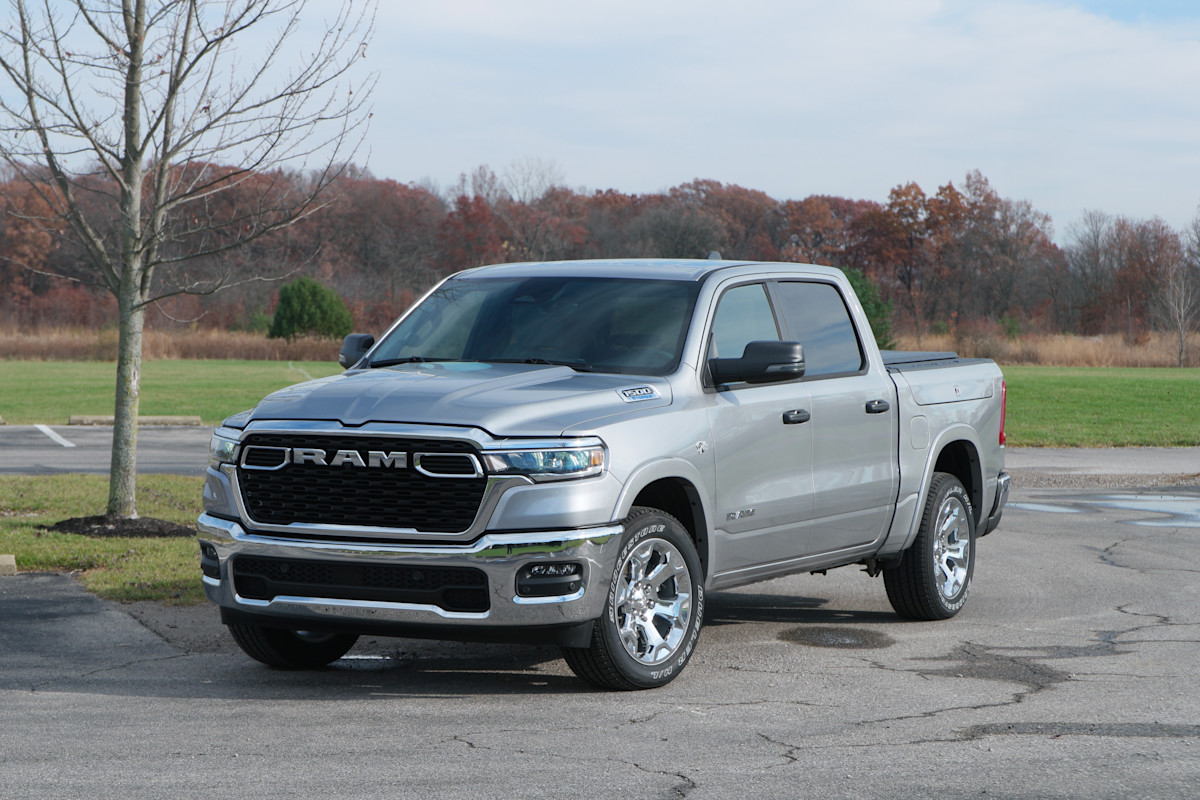
For off-road shoppers, the 2026 Ram 1500's biggest advantage is how many different ways you can spec it for the kind of terrain you actually drive. Rebel and RHO models lean into trail duty with tougher exterior details and a dedicated Off-Road drive mode alongside Auto, Snow, and Sport, while still keeping the big-truck comfort Ram is known for on the highway ride to the trailhead. Powertrain choice matters here, too: the available 5.7-liter Hemi V8 brings the classic soundtrack with 395 hp and 410 lb-ft of torque, but Ram's 3.0-liter Hurricane twin-turbo inline-six makes 420 hp and 469 lb-ft, and the High Output version climbs to 540 hp and 521 lb-ft—useful when you're dealing with steep grades, deep sand, or hauling extra gear.
Inside, the Ram's cabin is set up for real use, not just showroom appeal. Physical audio and climate controls are a plus when you're bouncing around on rough roads, and the Crew Cab's passenger space makes it easier to bring a full crew (and their helmets, boots, and backpacks) without feeling cramped. Optional RamBox bed-side storage gives you lockable, waterproof compartments for muddy recovery gear or straps you'd rather not toss in the back seat, and the available split Multifunction Tailgate can make it simpler to access cargo when you're parked close to a berm or another vehicle. Standard safety tech like adaptive cruise control, lane keep assist, and blind-spot monitoring with trailer coverage adds confidence on long approaches, though some of the more advanced features are still tied to option packages.
The CarGurus Verdict:"There's a lot to like about the 2026 Ram 1500, including its characterful Hemi V8. But if you're looking for the best version of Ram's popular pickup, you should think long and hard about how you plan to use the truck. With 10 trim levels and two cab sizes and bed lengths to go along with its four powertrain choices, there are plenty of ways to configure a Ram truck to your exact needs." - Jeremy Korzeniewski
CarGurus expert rating: 7.8 out of 10
CarGurus user rating: 4.5 out of 5
Percentage of Good and Great Deals available on CarGurus: 31.8%
Overall CarGurus rating: 4.6 out of 5
Pros
Cons
Excellent reputation for reliability
Noisy cabin
Great off-road capability
Manual-adjust seats can be troublesome
Standard advanced driver-assistance tech
Interior skews functional even in the top trim
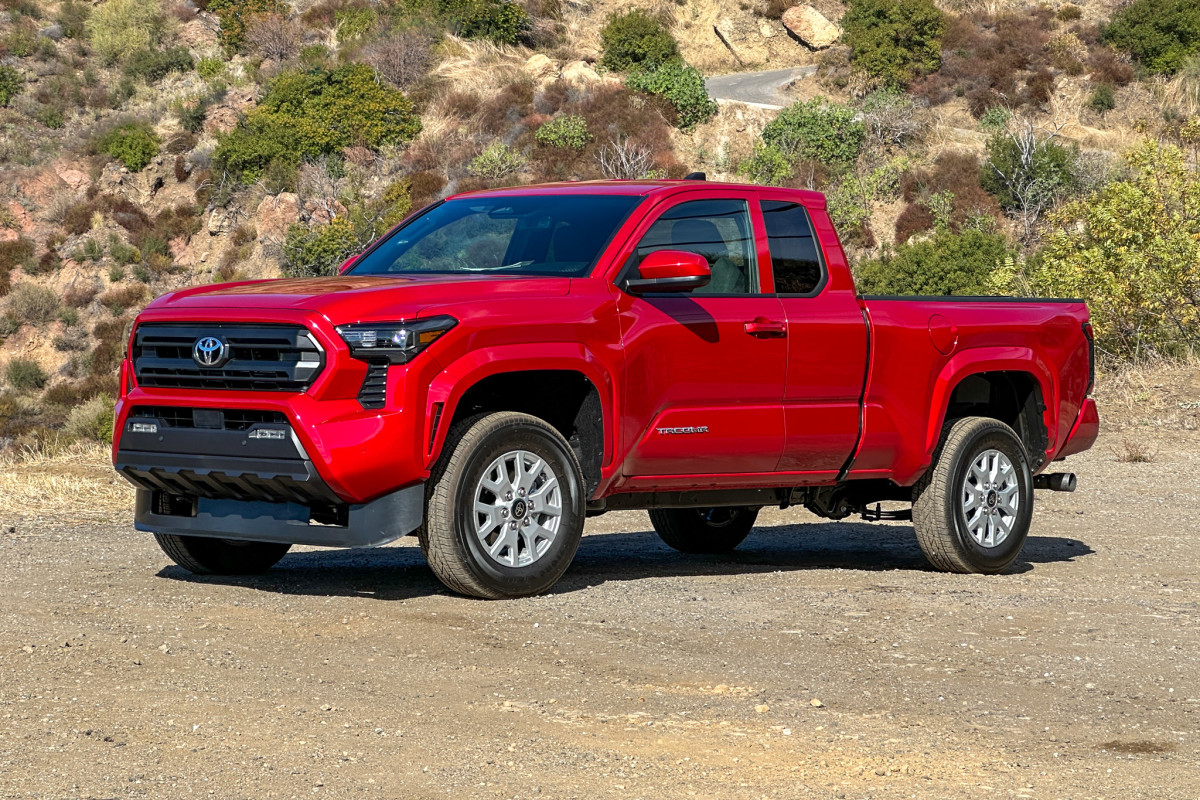
For off-road shoppers, the redesigned Tacoma leans hard into trail-ready hardware while keeping the midsize footprint that works on tight, rutted tracks. The new generation rides on Toyota's TNGA-F truck platform (shared with the Tundra), and every gas Tacoma now uses a turbocharged 2.4-liter four-cylinder. On most trims it makes 278 hp and 317 lb-ft of torque, paired with an eight-speed automatic (a six-speed manual is still offered on certain models). Toyota also engineered multiple suspension setups across the lineup—ranging from leaf-spring rear suspensions on some lower configurations to a coil-spring multi-link rear on others—plus trim-specific tuning like monotube Bilstein shocks on the TRD Off-Road. More extreme off-road-focused models are on the way with the i-Force Max hybrid powertrain, including TRD Pro and Trailhunter variants.
The Tacoma's cabin and bed updates also matter when you're packing recovery gear, camping kit, or tools. Toyota ditched the old Access Cab for a two-door XtraCab designed as dedicated interior cargo space, complete with lockable storage, while Double Cab models add useful under-seat storage and keep the choice of 5-foot or 6-foot bed. The interior favors durable, functional design with MOLLE panels for mounting accessories, and the tech upgrade is significant, with an 8-inch touchscreen standard, a 14-inch screen available on higher trims, and standard wireless Apple CarPlay and Android Auto; available auxiliary switches can simplify add-on lighting or other trail accessories. Toyota Safety Sense 3.0 is standard, and the move to electric power steering brings newer driver-assist features like lane-centering, plus available trailer-oriented features such as a trailer brake controller and enhanced camera options for towing.
The CarGurus Verdict:"The fourth-gen Tacoma is also the first Tacoma to share a platform with the larger Toyota Tundra. (The TNGA-F platform also underpins the Sequoia and the just-revived Land Cruiser.) It launches in six trim levels, each powered by a turbocharged four-cylinder engine, and the Tacoma's first-ever hybrid powertrain is due in the spring of 2024, along with two additional trims. We traveled to Malibu, CA to drive the all-new Tacoma in all of its gas-only guises." - Natalie Harrington
CarGurus expert rating: 6.8 out of 10
CarGurus user rating: 4.5 out of 5
Percentage of Good and Great Deals available on CarGurus: 32.7%
Overall CarGurus rating: 4.5 out of 5
Pros
Cons
Stylish design
Poor fuel economy
Fun to drive
Advanced safety features are not standard
Impressive off-road capability
Poor value for money
The Ford Bronco was engineered for real dirt time, not just rugged styling, with standard 4WD and a two-speed transfer case across the lineup. Power starts with a 2.3-liter turbo four-cylinder making 300 hp and 325 lb-ft of torque, while an available 2.7-liter EcoBoost V6 bumps output to 330 hp and 415 lb-ft of torque; a seven-speed manual is offered on some trims (with an ultra-low crawler gear), and a 10-speed automatic is widely available. For shoppers prioritizing trail capability, the available Sasquatch package brings 35-inch all-terrain tires, upgraded HOSS suspension hardware, and electronic-locking front and rear differentials, while certain off-road-focused trims add features like a front sway-bar disconnect for better articulation.
As an off-road vehicle you can still live with, the Bronco's independent front suspension helps it feel more settled on pavement than some hardcore rivals, but daily usability depends heavily on how you configure it. Two-door models trade rear access for a shorter footprint and offer 22.4 cubic feet of cargo space behind the rear seats (53.3 cubic feet with the seats folded), while four-door models add easier entry/exit and up to 38.3 cubic feet behind the second row (up to 83 cubic feet with the seats folded, soft top). Tech is modern and trail-friendly, including a standard 12-inch touchscreen with Sync 4 and wireless Apple CarPlay/Android Auto plus a 12-inch digital gauge cluster that can display off-road settings and drive-mode info, though key driver-assist features aren't universal—Ford's Co-Pilot360 suite is optional on the base trim and standard on Big Bend and up.
The CarGurus Verdict:"Buyers would do well to consider carefully how they plan to use their car day in and day out before making the decision to buy a new Bronco. While the 2025 Bronco is an extremely fun beast that's a blast to play with on-road and off, it requires some serious compromises to use as a daily driver, and it's hardly a bargain." - Jeremy Korzeniewski
CarGurus expert rating: 6.7 out of 10
CarGurus user rating: 4.5 out of 5
Percentage of Good and Great Deals available on CarGurus: 31.9%
Overall CarGurus rating: 4.5 out of 5
Pros
Cons
Handsome design
Lazy naturally-aspirated V8 powertrain
Great turbocharged and supercharged engines
Lack of basic amenities at lower prices
Easy tech and analog controls
Not as luxurious as Ram or GMC at higher prices
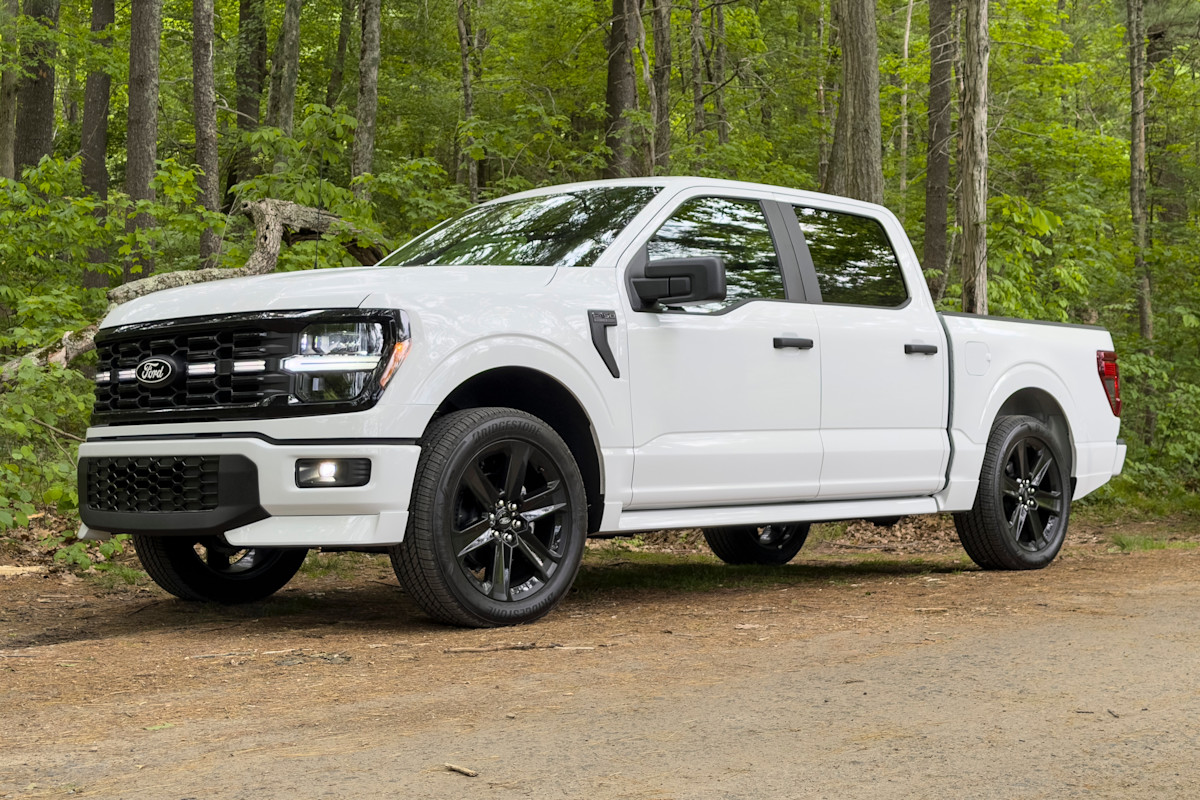
The 2026 Ford F-150 earns its place on an off-road list through sheer breadth of capability — but the real conversation starts with the Tremor and Raptor trims. The Tremor comes standard with 4WD, all-terrain tires, front skid plates, rear tow hooks, a 3.73 rear axle, and Ford's best all-rounder engine — the twin-turbocharged 3.5-liter V6 producing 400 horsepower and 500 lb-ft of torque — all wrapped in purposeful orange trim accents that signal this isn't your average work truck. The Raptors, however, are in a category of their own: Ford's racing engineers re-tuned or strengthened virtually every component for heavy abuse, including the transfer cases, and the result is a truck with a racing suspension calibrated to sail over crests and dunes in a way that most buyers will never fully explore — but will love knowing is there. The V6 Raptor makes 450 horsepower; the Raptor R swaps in the supercharged 5.2-liter V8 from the last Shelby GT500 Mustang for 720 horsepower and an exhaust note that's "obnoxiously perfect."
For buyers who don't need the full Raptor treatment, the standard F-150 4WD models with electronic hi-lo transfer cases still cover serious ground, and the lineup's versatility — three cab sizes, three bed lengths, six powertrains, and a max tow rating of 13,500 pounds — means there's a configuration for nearly every use case. Zone Lighting, standard from the XLT trim up, lets drivers independently control bed and mirror lighting in the dark — a small feature with outsized utility on a job site or campsite. The Pro Trailer Backup Assist system, which can automatically steer a long trailer in reverse, is genuinely segment-leading tech. The base naturally aspirated V8 can feel lazy under hard acceleration and is best avoided; stick with the 3.5-liter twin-turbo for the right balance of power, responsiveness, and towing muscle off the beaten path.
The CarGurus Verdict:"The F-150 is the full-size truck with the most versatility and configurations on the market today." - Clifford Atiyeh
CarGurus expert rating: 6.3 out of 10
CarGurus user rating: 4.6 out of 5
Percentage of Good and Great Deals available on CarGurus: 34.4%
Overall CarGurus rating: 4.5 out of 5
Pros
Cons
Comfortable seats
Poor fuel economy
Plenty of cargo space
Noisy
Incredibly capable off-road
Cramped back seat
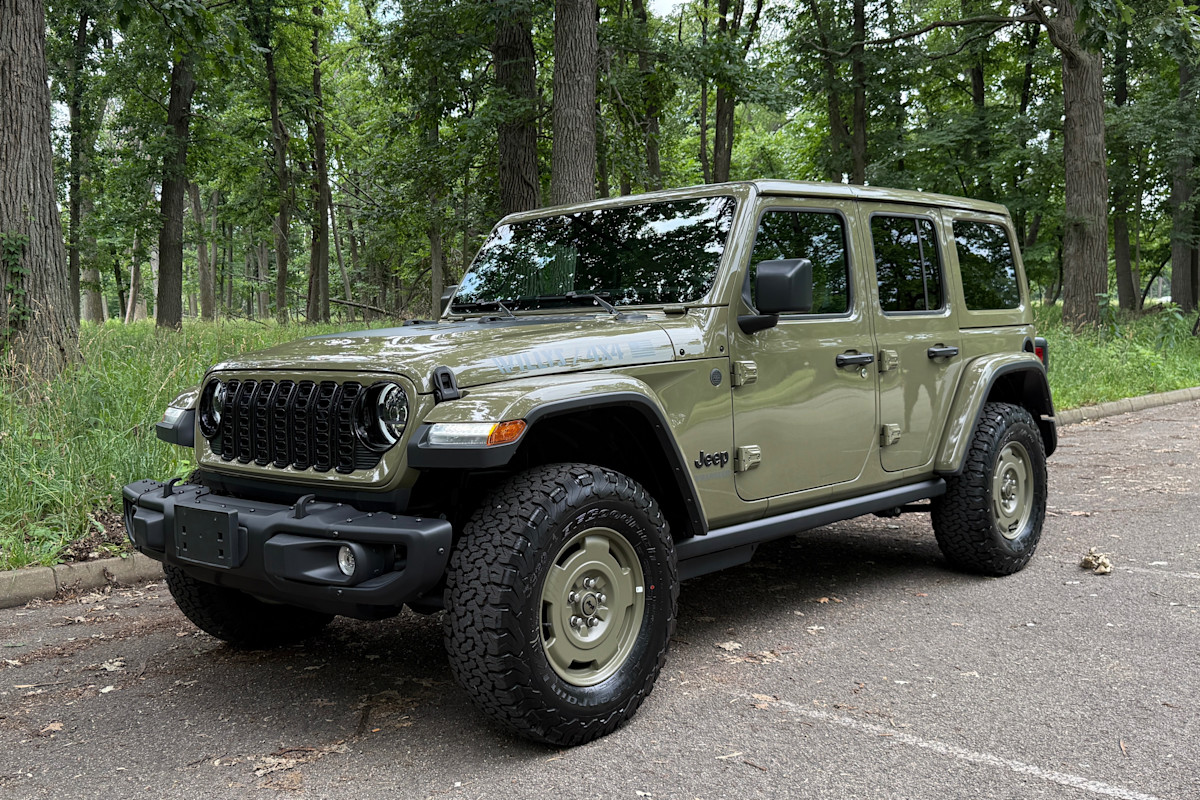
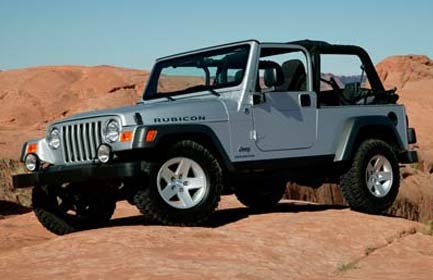
If your 2026 off-road wish list starts with real trail hardware and ends with a vehicle you can still use every day, the Jeep Wrangler remains a familiar choice. It’s built to handle rough terrain with confidence, and that core capability is the reason it continues to show up on shortlists for buyers who prioritize dirt, rocks, and ruts over polished on-road manners.
As a daily driver, the Wrangler asks for compromises that matter in the real world: fuel economy trails most SUVs, and wind and road noise are part of the experience, especially at highway speeds. The front seats are comfortable and there’s useful cargo room for weekend gear, but the back seat can feel tight for adults—so it’s worth thinking about how often you’ll carry passengers versus equipment.
The CarGurus Verdict:"The 2026 Jeep Wrangler is a capable off-roader that does a fair job as a daily driver." - Jill Ciminillo
CarGurus expert rating: 7.5 out of 10
CarGurus user rating: 4.7 out of 5
Percentage of Good and Great Deals available on CarGurus: 31.8%
Overall CarGurus rating: 4.5 out of 5
Pros
Cons
Distinctive design
Not much cargo space
Powerful engines
Uncomfortable seats
Impressive off-road capability
Poor value for money
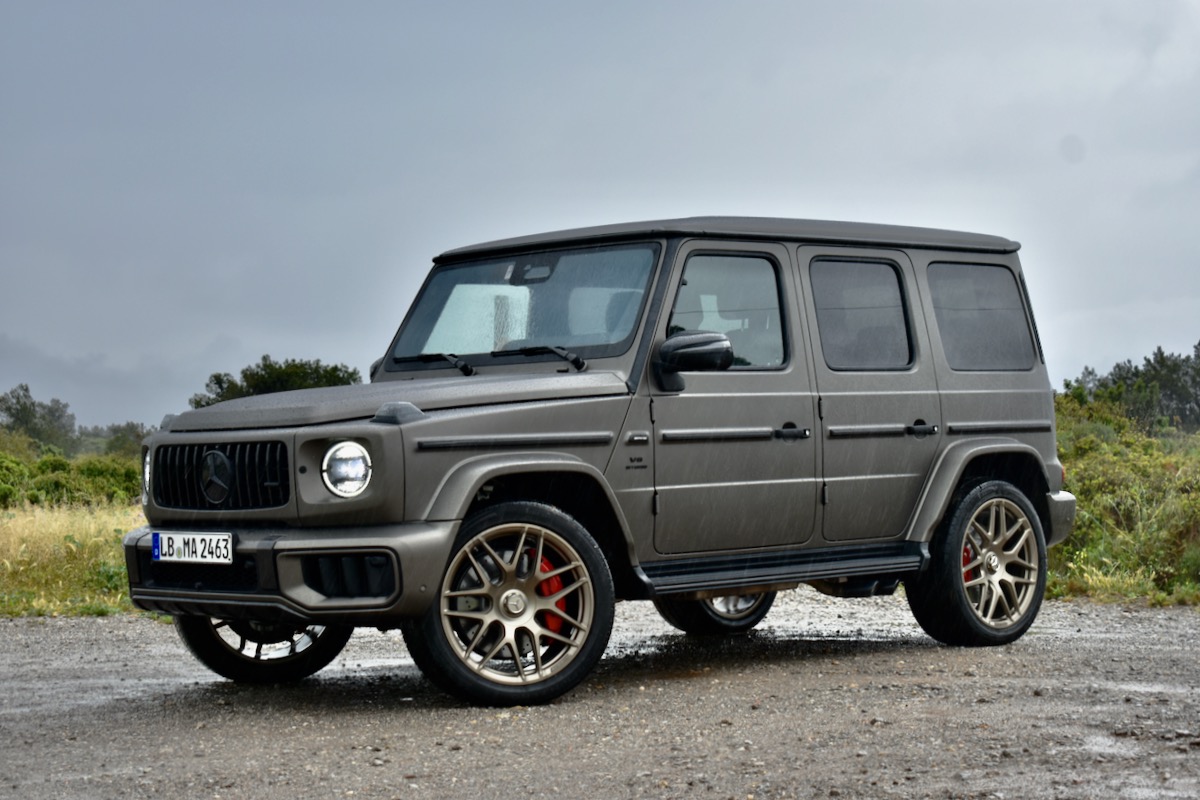
If you want an off-road SUV that feels like a luxury event every time you climb in, the Mercedes-Benz G-Class delivers that rare mix of opulence and genuine trail hardware. Permanent 4WD and locking front, center, and rear differentials are baked into the formula, and the upright seating position, thin roof pillars, and short overhangs make it easier to place on tight trails than its size and price suggest. It's also packed with modern off-road-friendly tech, including an off-road menu (with useful readouts like an inclinometer) and Mercedes' "Transparent Hood" camera view for spotting rocks, ruts, or even everyday parking curbs.
For 2025, gasoline models include the G 550 with a turbocharged 3.0-liter inline-six making 443 hp and 413 lb-ft of torque, and the AMG G 63 with a 4.0-liter twin-turbo V8 good for 577 hp and 627 lb-ft of torque; both add a mild-hybrid boost of 20 hp and 148 lb-ft at low speeds for smoother, more responsive crawling and takeoffs. The tradeoffs are the ones you'd expect from a boxy icon: cargo room is just 22.6 cubic feet behind the rear seats, and it still drives with a truck-like feel on pavement even if road noise is kept reasonably low. When adventure also means towing, the G-Class can pull up to 7,716 pounds, which is enough for many boats and off-road trailers even if some rivals can tow more.
The CarGurus Verdict:"The new G-Wagen is rougher around the edges than other luxury SUVs, but it still delivers when it comes to off-road capability and creature comforts." - Stephen Edelstein
CarGurus expert rating: 6.7 out of 10
CarGurus user rating: 4.6 out of 5
Percentage of Good and Great Deals available on CarGurus: 32.6%
Overall CarGurus rating: 4.5 out of 5
Pros
Cons
Off-road master
Firm
Can carry the family
jiggly ride
Available hybrid
Poor second-row comfort
Hybrid isn’t very efficient
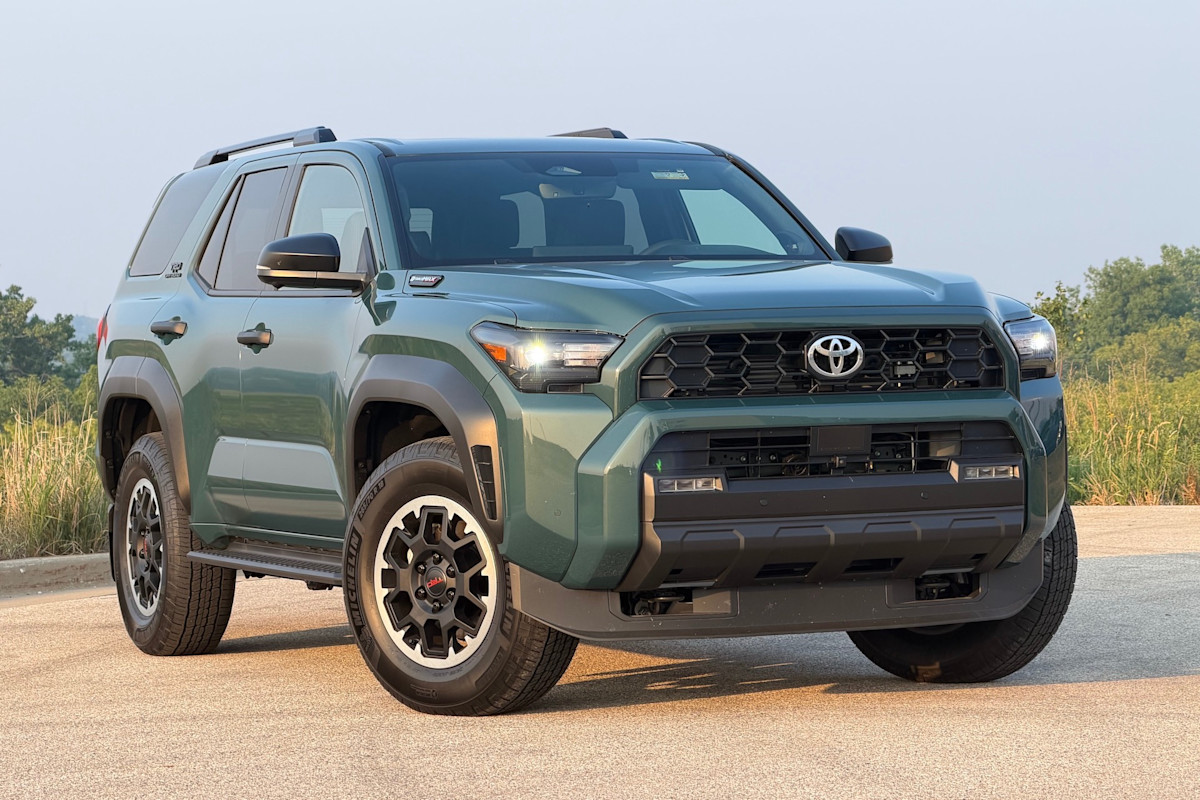
The old-school SUV connotes adventure, and the 2026 Toyota 4Runner is here to serve that purpose. For shoppers prioritizing trail capability, this is the kind of SUV that’s built to take on rough terrain and keep going, with the added everyday advantage of being able to carry the family when the weekend trip turns into a full-on road trip.
On pavement, the 4Runner’s off-road focus comes with tradeoffs you’ll feel in daily driving, including a firm, jiggly ride and less-than-ideal second-row comfort on longer drives. There’s also an available hybrid for buyers who want electrification, but expectations should be set accordingly since this hybrid setup isn’t described as particularly efficient.
The CarGurus Verdict:"The old-school SUV connotes adventure, and the 2026 Toyota 4Runner is here to serve that purpose." - Kirk Bell
CarGurus expert rating: 6.7 out of 10
CarGurus user rating: 4.2 out of 5
Percentage of Good and Great Deals available on CarGurus: 31.4%
Overall CarGurus rating: 4.4 out of 5
Pros
Cons
Stylish design
Poor fuel economy
Fun to drive
Interior materials feel cheap
Easy-to-use technology
Poor ergonomic design
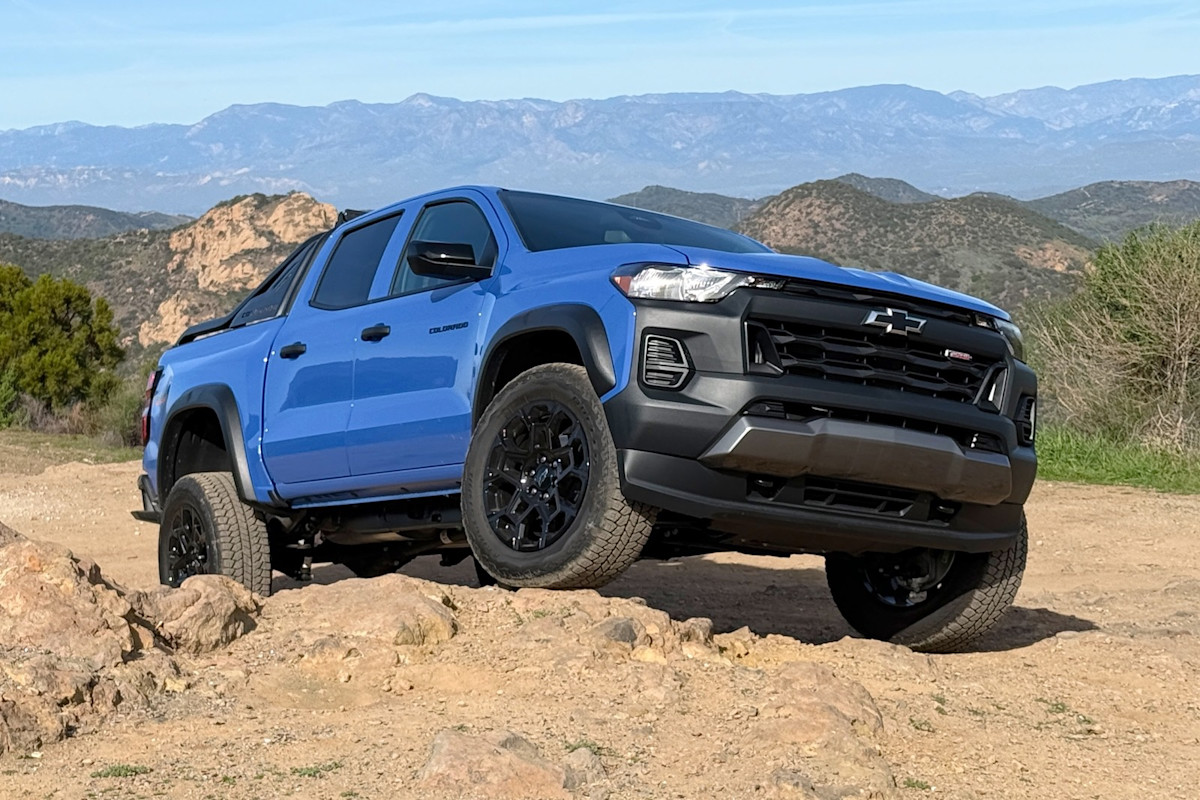
For off-road shoppers who want a midsize pickup that's straightforward to spec, the Colorado keeps it simple: crew cab, short bed, one turbocharged 2.7-liter four-cylinder (310 hp, 430 lb-ft of torque), and the choice of rear-wheel drive (RWD) or 4WD across five trims. Trail Boss models add a two-inch factory lift, a wider stance, standard all-terrain tires, Off-Road and Terrain drive modes, and hill descent control—hardware that translates into real trail confidence when the route gets rutted or rocky.
It's not just about dirt, either. The Colorado's cabin tech is a highlight, with an 11-inch digital driver display and an 11.3-inch touchscreen running Google built-in, plus wireless Apple CarPlay and Android Auto. Still, daily livability has trade-offs: the back seat is tight (typical for this class), interior materials can feel bargain-basement, and fuel economy is a sore spot—especially with bigger tires, lift, and frequent 4WD use. Safety tech availability is strong, but crash-test results from the National Highway Traffic Safety Administration (NHTSA) and the Insurance Institute for Highway Safety (IIHS) were disappointing, which is worth weighing if this will be a family adventure rig.
The CarGurus Verdict:"In most ways, the 2026 Colorado is an impressive midsize truck. However, it plays runner-up to the Toyota Tacoma, which is not only more versatile and available with a wider range of dealer accessories, but also trades on its legendary reputation for long-term reliability." - Christian Wardlaw
CarGurus expert rating: 6.8 out of 10
CarGurus user rating: 4.6 out of 5
Percentage of Good and Great Deals available on CarGurus: 30.0%
Overall CarGurus rating: 4.3 out of 5
Pros
Cons
Stylish design
Poor fuel economy
Impressive off-roading capability
Poor handling
Easy-to-use technology
Uncomfortable back seat
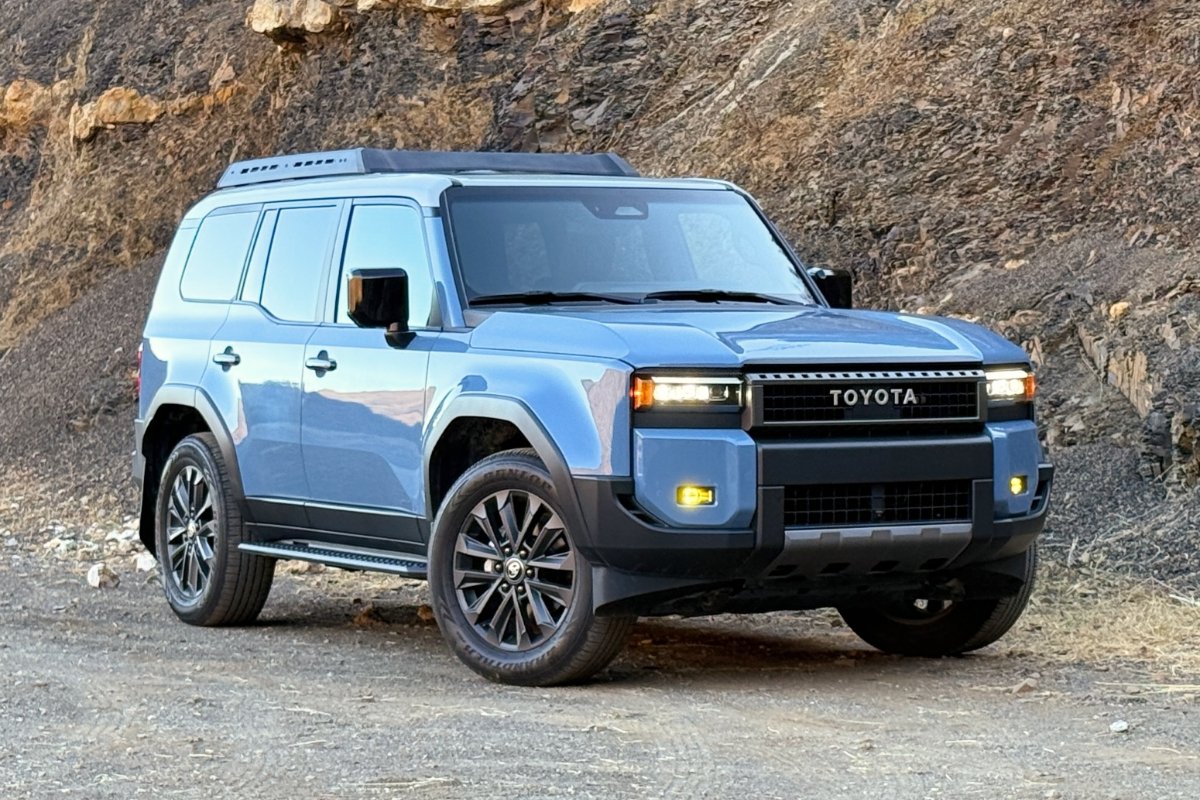
The Land Cruiser is built around the basics off-roaders care about: a traditional, boxy SUV shape for visibility and clearance, full-time 4WD, and serious traction hardware including electronic locking rear and center differentials. Every model uses Toyota's i-Force Max hybrid setup, pairing a turbo 2.4-liter four-cylinder with an electric motor and eight-speed automatic for 326 hp and 465 lb-ft of torque, plus a 6,000-pound tow rating. Driver aids like Crawl Control and Downhill Assist Control are standard, and the nicer Land Cruiser trim adds Multi-Terrain Select modes, Multi-Terrain Monitor camera views, and a front stabilizer bar disconnect, which helps keep the tires planted on uneven terrain; ground clearance is 8.7 inches.
It's also meant to cover distance to (and from) the trail, with a sturdy, soak-it-up ride and an interior that leans functional rather than flashy, including physical controls and available dual 12.3-inch screens with wireless Apple CarPlay and Android Auto. Cargo space is a useful 46.2 cubic feet behind the second row and 82.1 cubic feet with the rear seats folded, though the load floor is high. Trade-offs matter here: real-world fuel economy in testing fell to 15.7 mpg, and handling can feel loose and "roly-poly" on twisty roads, while the second-row seat comfort is a weak point if you routinely bring adults along for the adventure.
The CarGurus Verdict:"There is a lot to like about the Land Cruiser, especially if you don't care about fuel economy. Our test vehicle averaged 15.7 mpg, falling well short of expectations. That thirst for fuel easily ranks as the worst thing about this SUV. Also, we recommend upgrading from the base 1958 trim level." - Christian Wardlaw
Jeep Gladiator: Wrangler capability with pickup utility.
Ford Ranger Raptor: In Raptor form, this hardcore midsize truck has Baja DNA.
GMC Sierra/Chevy Silverado: Full-size truck refinement and real trail gear in AT4X trim; also available in heavy duty form.
Nissan Frontier: The Frontier PRO4X is budget-friendly and rugged.
Range Rover/Range Rover Sport: Luxurious but surprisingly capable.
Toyota Tundra: The Tundra TRD Pro has proper off-road chops and a powerful hybrid powertrain.
Features To Look For in the Best Off-Road Vehicles
When shopping for a true off-road vehicle, here are some core features to look for:
4WD or all-wheel drive (AWD) with low-range gearing: For optimum control over tricky terrain.
Locking differentials: To help maximize traction on loose or uneven surfaces.
Skid plates and increased ground clearance: To protect underbody components and avoid getting stuck.
All-terrain tires: For improved grip on mud, gravel, sand, and snow.
Durable suspension and solid axles: To enable wheel articulation and durability on rugged trails.
Upgrades: Look out for factory or aftermarket accessories like winches, bumpers, and lift kits that add utility.
The Best Off-Road Vehicles FAQs
What makes a vehicle good for off-roading?
A capable off-road vehicle typically features high ground clearance, a robust four-wheel-drive (4WD) system, and specialized hardware like locking differentials and a two-speed transfer case. These components allow the vehicle to maintain traction over uneven terrain, rocks, and deep mud. Additional features like skid plates, all-terrain tires, and specialized off-road driving modes further enhance a vehicle's ability to tackle the wilderness safely.
Can I use an off-road vehicle as my daily driver?
Yes, many modern off-road vehicles are designed to be comfortable on the pavement while retaining their trail capabilities. Vehicles like the Land Rover Defender, Toyota 4Runner, and Ram 1500 offer refined cabins, advanced infotainment systems, and modern safety features that make them easy to live with every day. However, buyers should be aware that dedicated off-roaders often trade some fuel efficiency and on-road handling precision for their rugged hardware.
Are pickup trucks or SUVs better for off-roading?
Both body styles have their advantages depending on your needs. SUVs like the Jeep Wrangler and Ford Bronco often feature shorter wheelbases and better departure angles, making them highly maneuverable on tight, rocky trails. Pickup trucks like the Toyota Tacoma and Chevrolet Colorado offer the added utility of a cargo bed, which is perfect for hauling dirty recovery gear, camping equipment, or dirt bikes without muddying up the cabin.
Do I need a V8 engine for off-roading?
While a V8 engine provides excellent power and a classic sound, it is no longer a necessity for off-roading. Many of today's top off-road vehicles use advanced turbocharged four-cylinder or six-cylinder engines, and even hybrid powertrains. For example, the Toyota Land Cruiser and 4Runner utilize a potent i-Force Max hybrid system that delivers massive low-end torque, which is ideal for rock crawling and pulling through deep sand.
What Makes CarGurus Best Cars Guides Different?
Most car-shopping websites publish lists of the best cars across a variety of categories, with recommendations generally driven by editorial expertise. Here's what makes ours different: In addition to the insights and verdicts of our team of car-testing experts, our best cars guides take into account other factors that we know matter to buyers-real owner experiences and current market value.
Our expert reviewers are among this country's most trusted automotive journalists, also writing for publications including US News and World Report, Edmunds, Digital Trends, J.D. Power, and Car & Driver. They put each car through real-world testing and create detailed reviews of performance in a range of categories, from practicality and driving manners to cost-effectiveness and safety.
We also analyze hundreds of thousands of used car listings on CarGurus.com to track which models consistently offer the highest percentage of best deals relative to how many are listed for sale. Then we factor in reviews from owners-people who actually live with these cars every day. Our proprietary Best Cars algorithm then creates a final Overall CarGurus rating combining expert scores, user reviews, and the percentage of listings that have earned the Good or Great Deal rating. This multi-pronged approach reveals not just which cars excel on paper, but which ones deliver satisfaction and value when you're ready to buy.
The CarGurus market data used in this guide was last updated in September 2026. Values were accurate at time of publication and should be used as a guide only.
Sometimes our content pages are the result of a team effort. As with all CarGurus editorial, you can expect high levels of automotive insight and expertise delivered in a style that is approachable and free from jargon.
The content above is for informational purposes only and should be independently verified. Please see our Terms of Use for more details.