Here in America, SUVs reign supreme, while small or subcompact cars aren’t as popular. But navigating crowded city streets, squeezing into tight parking spots, and managing the rising costs of vehicle ownership can make everyday driving feel like a chore. That is where the appeal of a tiny car truly shines. These compact vehicles are designed to minimize your footprint on the road while maximizing maneuverability and efficiency. For many drivers, downsizing means shedding the stress of piloting a massive SUV through narrow lanes, all while enjoying the benefits of better fuel economy and a more accessible purchase price.
Going small does not mean you have to sacrifice the features that make driving enjoyable or practical. Boxy hatchbacks like the Kia Soul and Hyundai Venue provide surprisingly generous cargo space, while rear-wheel-drive sports cars like the Toyota GR86 and Mazda MX-5 Miata deliver an engaging experience behind the wheel. You can even find all-weather confidence in subcompact crossovers like the Nissan Kicks, or legendary off-road capability in the Jeep Wrangler. Whatever your daily routine demands, there is likely a tiny car perfectly sized for the job.
Here’s our list, straight from a conversation with the hosts of The Driveway podcast, of the 10 best cars with minuscule proportions you can buy—and it doesn’t contain the Mitsubishi Mirage.
And if you were wondering what defines a "tiny car," the Environmental Protection Agency (EPA) classifies vehicle size based on passenger and cargo volumes. Those with 85 to 99.9 cubic feet of passenger and cargo volume are subcompact, while those with 100 to 109.9 cu ft are considered compact.
CarGurus user rating: N/A insufficient data
Percentage of Good and Great Deals available on CarGurus: %
Overall CarGurus rating: out of 5As well as being one of the smallest electric vehicles in the world, the Fiat 500e is the smallest new car on sale in the U.S. in 2025. Even so, it’s absolutely gargantuan compared to the original Cinquecento (Italian for 500) from 1957, which was a diminutive 116 inches in length—so don’t expect much from the rear seats. What hasn't shrunk is the 500's personality: The 500e arrives is Fiat's sole U.S. model offering these days, and it leans into Italian style with electronically latching flush door handles, a roofline spoiler, standard LED lighting front and rear, and 17-inch alloy wheels, all in the service of a car that Fiat claims is the lightest vehicle in its segment.
The powertrain is a 42-kWh battery paired with a single electric motor making 117 horsepower and 162 lb-ft of torque, good for up to 149 miles of range on a full charge. A Level 2 charge from empty takes about six hours via the standard 11-kW onboard charger, while DC fast charging can get you to 85% in roughly 35 minutes. Inside, the 500e fits four passengers in 8.3 cubic feet of cargo space—snug, but well-equipped, with Stellantis' Uconnect 5 infotainment on a 10.25-inch touchscreen, wireless Apple CarPlay and Android Auto, and wireless device charging. Upper trims add a Level 2 driver-assistance system (the first in its segment) combining adaptive cruise control with lane-keeping assist.
CarGurus expert rating: 7.7 out of 10
CarGurus user rating: 4.6 out of 5
Percentage of Good and Great Deals available on CarGurus: 31.3%
Overall CarGurus rating: 4.6 out of 5
Pros
Cons
Stylish design
Fairly pedestrian performance
Spacious
Uncomfortable seats
Excellent value for money
Advanced safety features are not standard
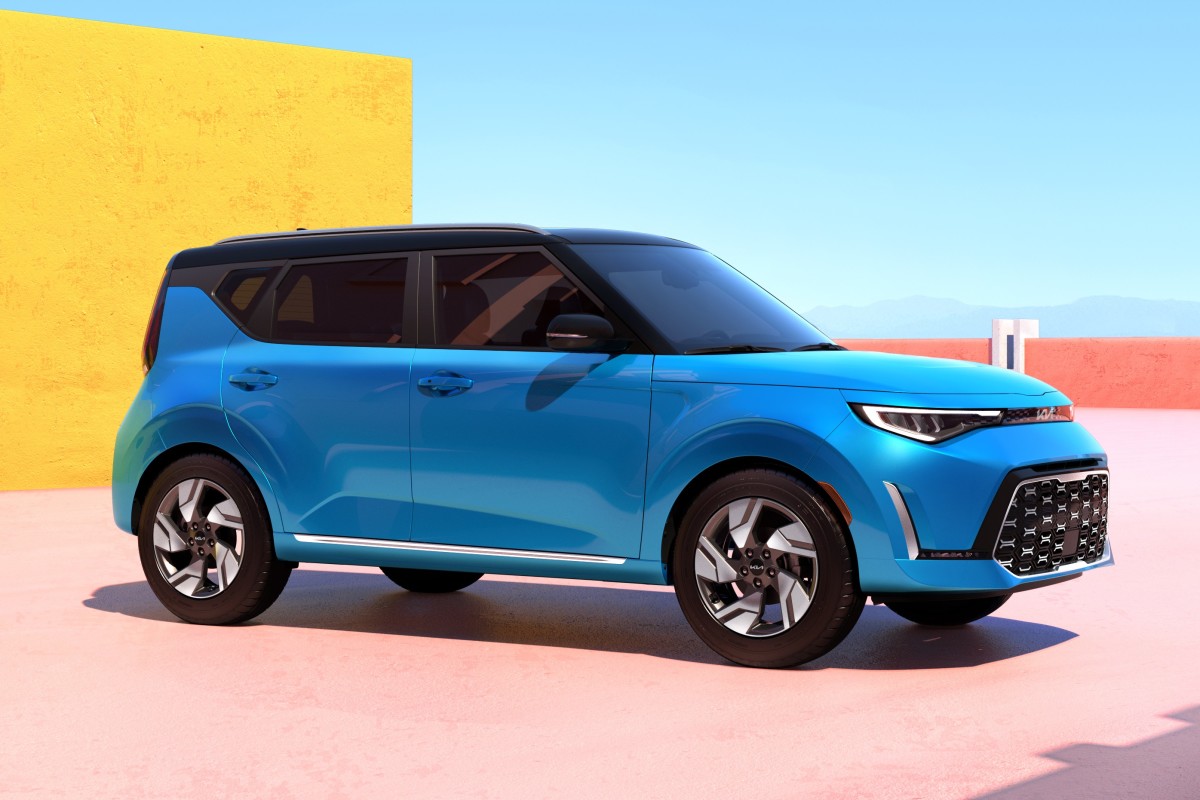
If you want a tiny car that's easy to place in traffic and parking spots but doesn't feel cramped, the Kia Soul's upright, boxy shape is a big part of its charm. It squeezes a lot of usable space into a small footprint, with available cargo room up to 24.2 cubic feet behind the rear seats (with the optional dual-level cargo floor and cargo cover) and 62.1 cubic feet with the rear seats folded. The cabin design also avoids the bare-bones vibe you might expect at this price point, with fun styling touches, smart storage, and available upgrades like heated front seats and a power-adjustable driver's seat on a well-optioned GT-Line.
For day-to-day driving, every 2023 Soul uses the same 2.0-liter four-cylinder (147 hp, 132 lb-ft of torque) paired with a continuously variable transmission (CVT) and front-wheel drive (FWD), and while it isn't quick, it's tuned to be easy to live with around town and on the highway. Tech is another plus for small-car shoppers: an 8-inch touchscreen is standard, upper trims get a 10.25-inch display, and Apple CarPlay/Android Auto availability depends on screen size (wireless with the smaller screen, wired with the larger one). Kia also made key safety features standard for 2023—like automatic emergency braking and lane keep assist—though features such as adaptive cruise control require stepping up to the GT-Line and adding an option package, so it's worth checking equipment lists closely when you shop.
The CarGurus Verdict:"The Kia Soul has style and substance in equal measure. It's both a practical car and a good value, just one that happens to be more interesting to look at than most other vehicles sharing those traits. The Soul is an excellent compromise between car and crossover, boasting the tidy proportions of the former and the upright driving position of the latter." - Stephen Edelstein
CarGurus expert rating: 7 out of 10
CarGurus user rating: 4.6 out of 5
Percentage of Good and Great Deals available on CarGurus: 36.4%
Overall CarGurus rating: 4.5 out of 5
Pros
Cons
Vivacious power output in S model
Terrible infotainment
Sporty dynamics
No ability to independently shift gears without ponying up
Spacious interior for its size
High base price
The redesigned 2025 MINI Cooper keeps the tiny-car charm intact, mixing classic stubby proportions with fresh details like halo-ring headlights and Union Jack-inspired taillights. Inside, MINI leans hard into personality with a tweed-like dash covering, a big round 9.4-inch touchscreen running Operating System 9, and standard conveniences that matter in everyday use, including heated front seats (and a heated steering wheel). It's also a legitimately useful small hatchback: cargo space measures 8.9 cubic feet behind the rear seats, expanding to about 33.5 cubic feet with the 60/40 rear seat folded.
For shoppers who want a small car that feels energetic at any speed, the turbocharged 2.0-liter four-cylinder is the headline, with 161 hp and 184 lb-ft of torque in the base Cooper and 201 hp and 221 lb-ft of torque in the Cooper S, both driving the front wheels through a seven-speed dual-clutch automatic. Efficiency is strong for the segment at an EPA-rated 28 mpg city / 39 mpg highway / 32 mpg combined, but there are a couple of real-world caveats: the infotainment can be laggy and may require frequent phone re-pairing, and as of this writing it hasn't been rated by NHTSA or IIHS (plus there's an issued recall to verify before buying). Pricing starts at $30,125, so it's best for buyers who value style and handling enough to pay for it.
The CarGurus Verdict:"Although substantially larger than the original BMW Mini that reached America's shores in 2002, and no longer offering a manual transmission as standard, the new Mini Cooper continues to be a stylish and fun-to-drive way of getting around, and will even return solid overall fuel economy in the process." - Peter Nelson
CarGurus expert rating: 7.2 out of 10
CarGurus user rating: 4.5 out of 5
Percentage of Good and Great Deals available on CarGurus: 35.0%
Overall CarGurus rating: 4.5 out of 5
Pros
Cons
Stylish design
Underwhelming base engine
Fuel-efficient
No power seat adjustment
Excellent value for the money
Uncomfortable wind buffeting
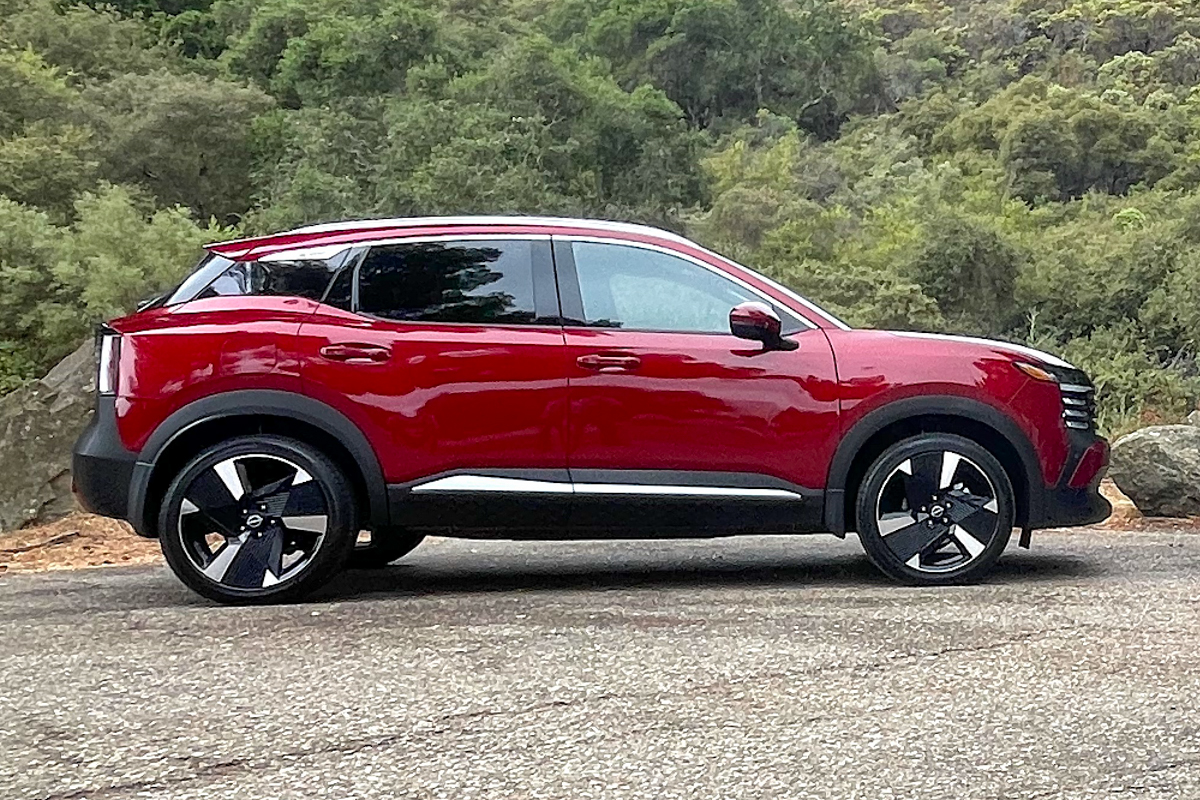
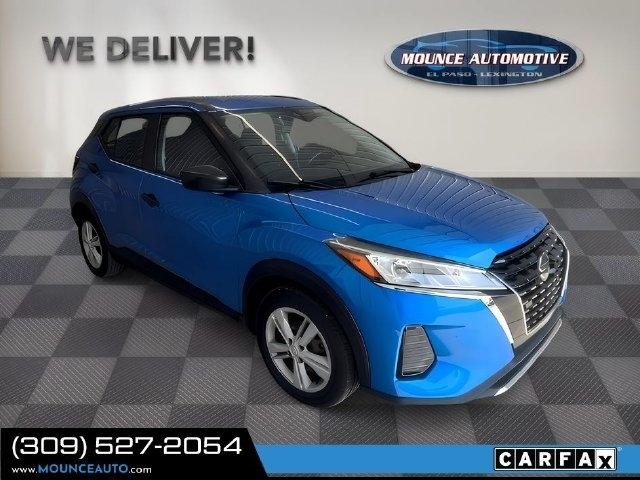
The recently redesigned Kicks manages to bring plenty of value without feeling bargain-basement. It gets a more grown-up cabin with smart design details, available dual 12.3-inch screens, and genuinely premium upgrades like a Bose audio system that puts speakers in the front-seat headrests. Passenger space is improved, especially in the second row, and Nissan even offers a panoramic moonroof (via Premium packages) that helps the compact interior feel less cramped.
On the road, every Kicks uses a 2.0-liter four-cylinder with 141 hp and 140 lb-ft of torque paired with a new CVT, and the big news for small-car practicality is that all-wheel drive (AWD) is finally available across the lineup for shoppers dealing with real winter weather. Ride comfort and cabin quiet are significantly better than before, and the safety-tech value is strong, with Safety Shield 360 standard and features like ProPilot Assist and a 360-degree camera available. Just note a couple of day-to-day compromises: the seats are manual-only, and driving with just the driver's window down can cause unpleasant wind buffeting.
The CarGurus Verdict:"The new Nissan Kicks is poised to put rivals on notice with its fantastic value, great standard features, and premium options." - Cherise Threewitt
CarGurus expert rating: 6.3 out of 10
CarGurus user rating: 4.6 out of 5
Percentage of Good and Great Deals available on CarGurus: 34.4%
Overall CarGurus rating: 4.5 out of 5
Pros
Cons
Comfortable seats
Poor fuel economy
Plenty of cargo space
Noisy
Incredibly capable off-road
Cramped back seat
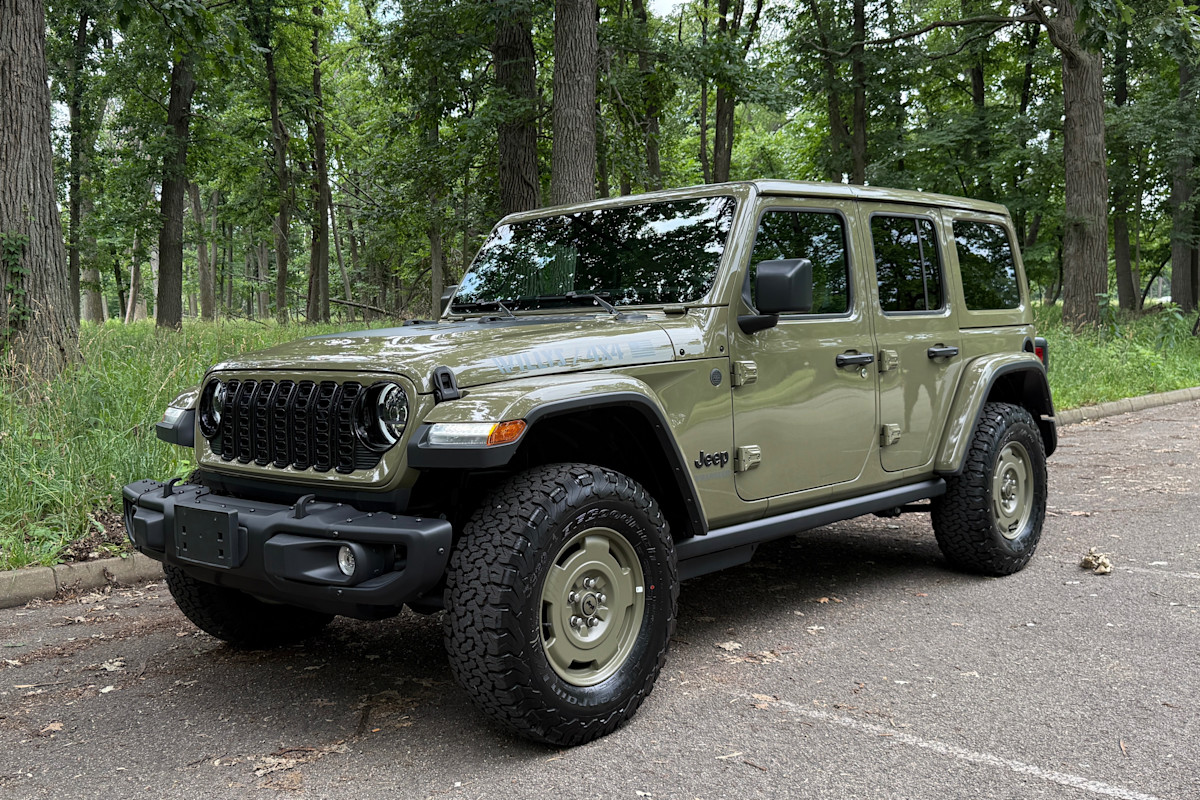
If you want a small-footprint vehicle for city driving that can also handle weekend adventures, the 2026 Jeep Wrangler fits that niche better than most. Its upright driving position and comfortable front seats help on commutes, and the Wrangler’s boxy shape makes it easy to judge the corners when parking in tight spots. Just keep expectations realistic for tiny-car duty: it’s noisy at speed, and fuel economy trails more car-based options.
Where the Wrangler earns its keep is everyday usability with genuine trail capability. You get useful cargo room for a run to the hardware store or a couple of carry-on bags, and the aftermarket-friendly design means it’s easy to tailor to your lifestyle. The tradeoff is family-friendliness—rear-seat space can feel cramped—so it’s best for solo drivers, couples, or as a second vehicle that prioritizes flexibility over back-seat comfort.
The CarGurus Verdict:"The 2026 Jeep Wrangler is a capable off-roader that does a fair job as a daily driver." - Jill Ciminillo
CarGurus expert rating: 7.5 out of 10
CarGurus user rating: 4.8 out of 5
Percentage of Good and Great Deals available on CarGurus: 32.0%
Overall CarGurus rating: 4.4 out of 5
Pros
Cons
Fun to drive
Unintuitive technology
Great handling
Not much cargo space
Stylish design
Limited interior space
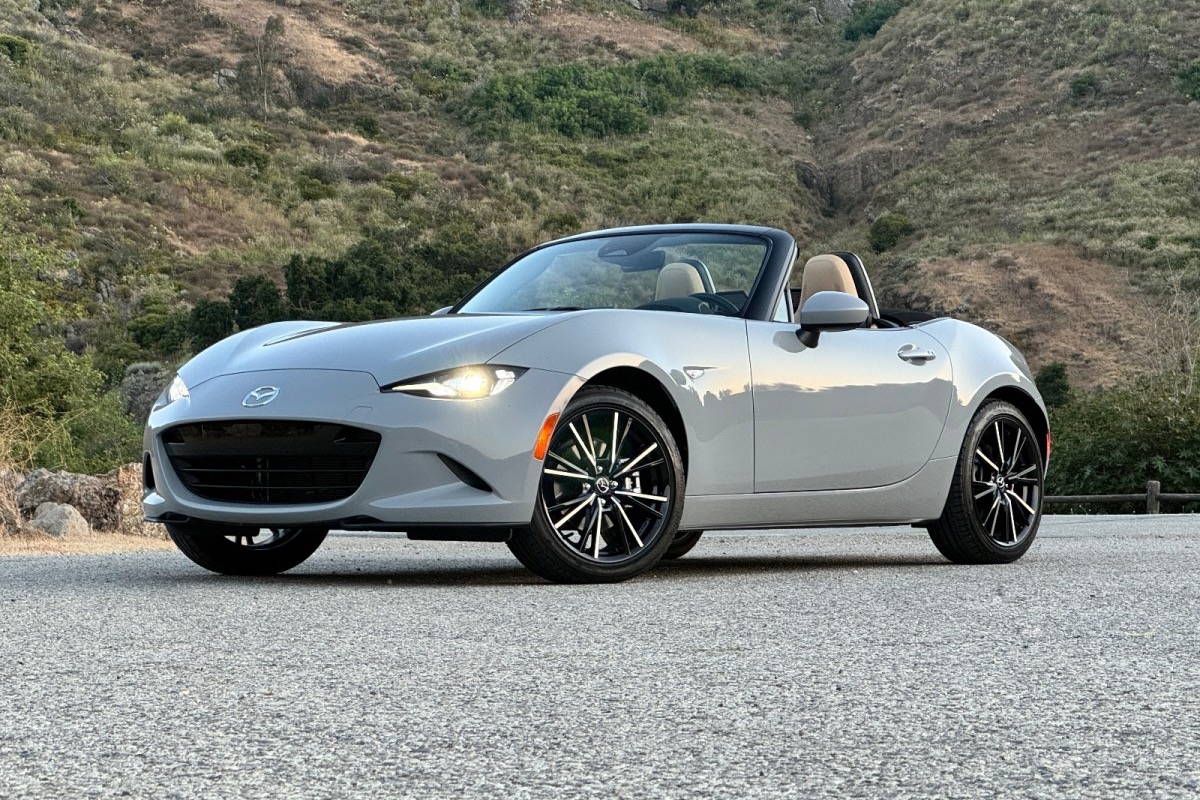
If "tiny car" to you means minimal footprint with maximum fun, the Mazda MX-5 Miata fits the brief perfectly. It's a two-seat, RWD convertible that keeps the formula simple—light, responsive, and engaging—whether you choose the classic soft top or the RF retractable fastback. Power comes from a 2.0-liter four-cylinder making 181 hp and 151 lb-ft of torque, paired with a standard six-speed manual that's tuned to make the most of every gear and every corner.
The tradeoff for all that small-car agility is daily-driver practicality. Cargo space is just 4.59 cubic feet in the trunk, and cabin storage is sparse (no glove box), with cupholders placed awkwardly high between the seats—though they can be repositioned. Tech is also a weak point: the 8.8-inch infotainment setup relies on a rotary controller and can feel clunky, but Apple CarPlay and Android Auto are standard (and wireless on Club and Grand Touring). Safety equipment sticks to the basics—blind spot monitoring and rear cross-traffic alert are included, but this generation hasn't been rated by the National Highway Traffic Safety Administration (NHTSA) or Insurance Institute for Highway Safety (IIHS), and advanced driver aids are limited compared with larger, more modern cars.
The CarGurus Verdict:The Mazda MX-5 Miata is a roadster that rewards drivers with precise handling that's only made better when the top is down and the tunes are cranked." - Emme Hall
CarGurus expert rating: 7.8 out of 10
CarGurus user rating: 4.6 out of 5
Percentage of Good and Great Deals available on CarGurus: 36.7%
Overall CarGurus rating: 4.4 out of 5
Pros
Cons
Fun to drive
Price increase reduces overall value
Improved technology
Frustrated haptic slider controls remain
Impressive fuel economy
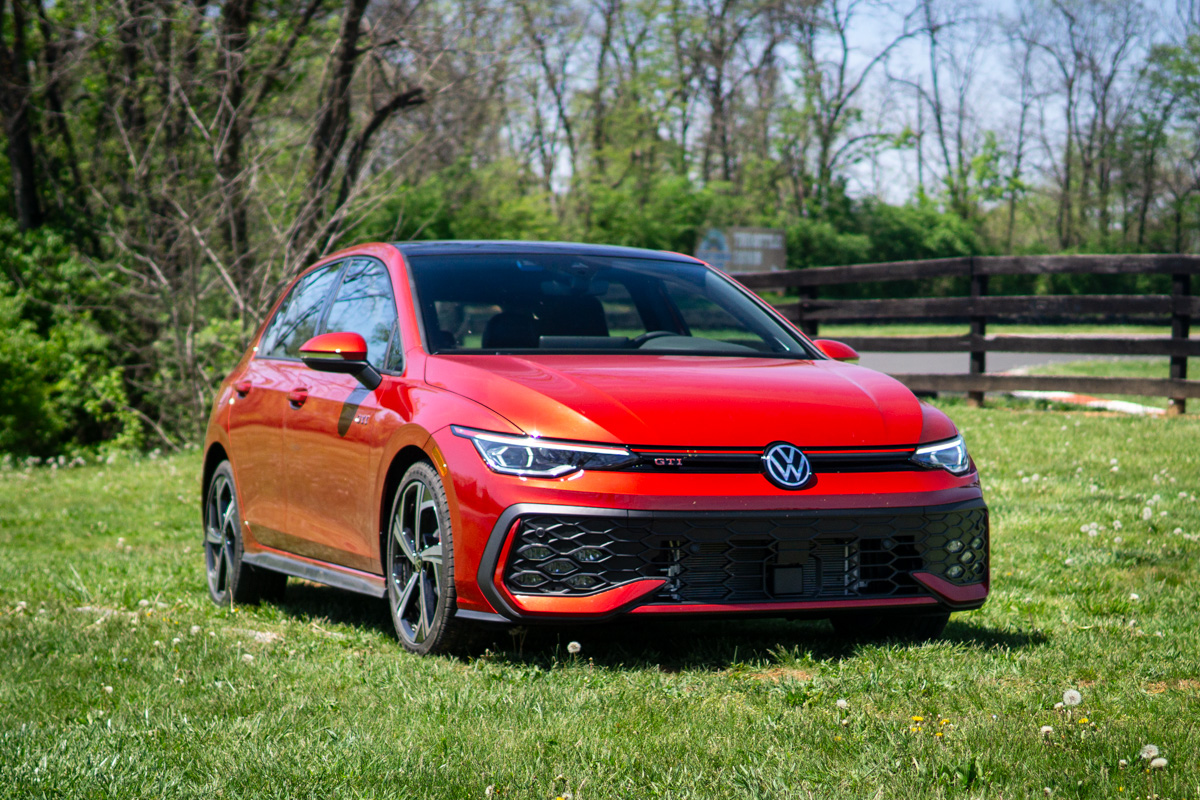
The Golf GTI keeps the classic hot-hatch formula intact: a tidy footprint, hatchback versatility, and a turbo punch that's easy to enjoy on everyday roads. For 2025, the big news is that the manual transmission is gone, leaving a seven-speed DSG dual-clutch automatic as the only option. Purists may miss the stick, but the upside is quick, decisive shifts and strong efficiency for a performance-minded small car, with EPA estimates of 24 mpg city, 32 mpg highway, and 27 mpg combined.
Power comes from a turbocharged 2.0-liter four-cylinder making 241 hp and 273 lb-ft of torque, sent to the front wheels, and it pairs well with the GTI's strong brakes and buttoned-down chassis. Even with the fun-to-drive focus, it still delivers the practicality tiny-car buyers appreciate: 19.9 cubic feet of cargo space behind the rear seats (34.5 with the seats folded). Tech is a major part of the 2025 refresh, led by a 12.9-inch touchscreen plus standard wireless Apple CarPlay and Android Auto and a 15W wireless charging pad, while safety features like forward collision warning with automatic emergency braking, blind-spot monitoring, and adaptive cruise control are part of the standard IQ.Drive suite.
The CarGurus Verdict:"The 2025 Volkswagen Golf GTI is still one of the best hatchbacks you can buy today. With a terrific powertrain and everyday practicality, it's an ideal choice for anyone looking for a useful car that's also extremely fun to drive." - Matt Smith
CarGurus expert rating: 8 out of 10
CarGurus user rating: 4.2 out of 5
Percentage of Good and Great Deals available on CarGurus: 40.2%
Overall CarGurus rating: 4.3 out of 5
Pros
Cons
Incredible poise and stability
Limited choice of exterior and interior colors
Serious drivetrain and suspension hardware
Cramped interior
Very engaging to drive
Rough ride
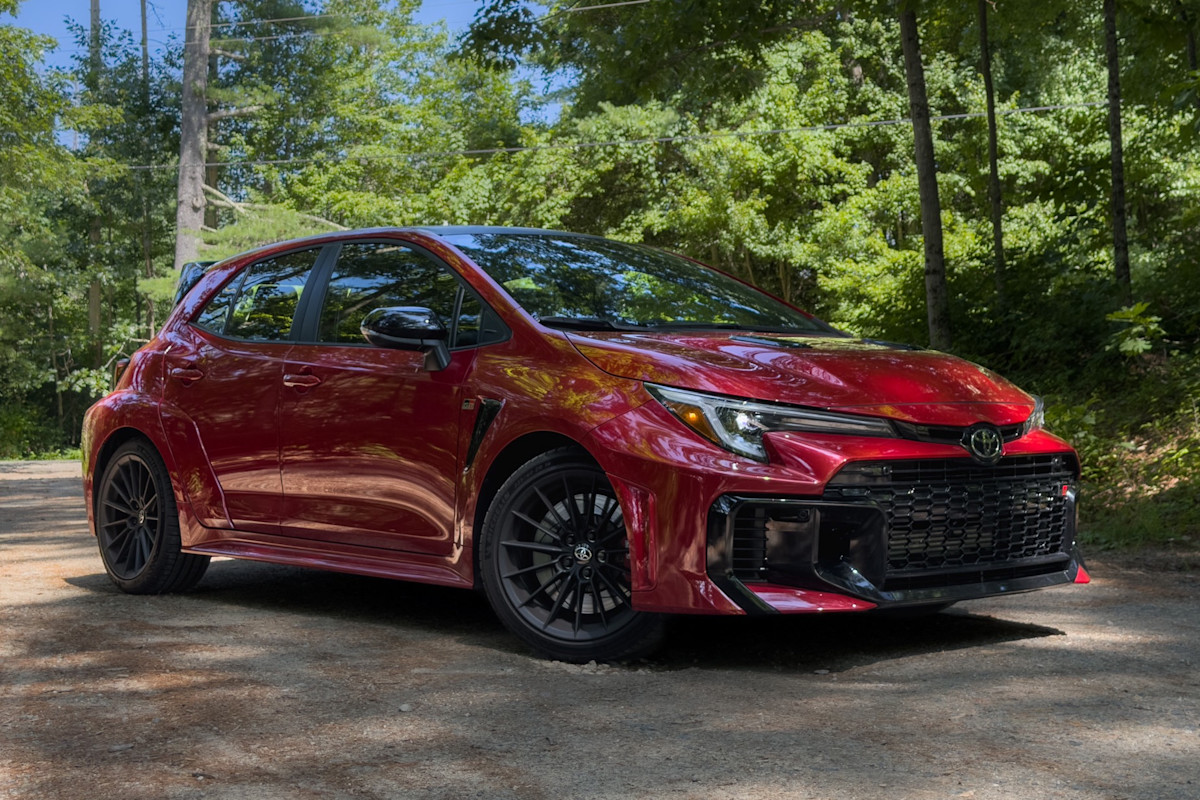
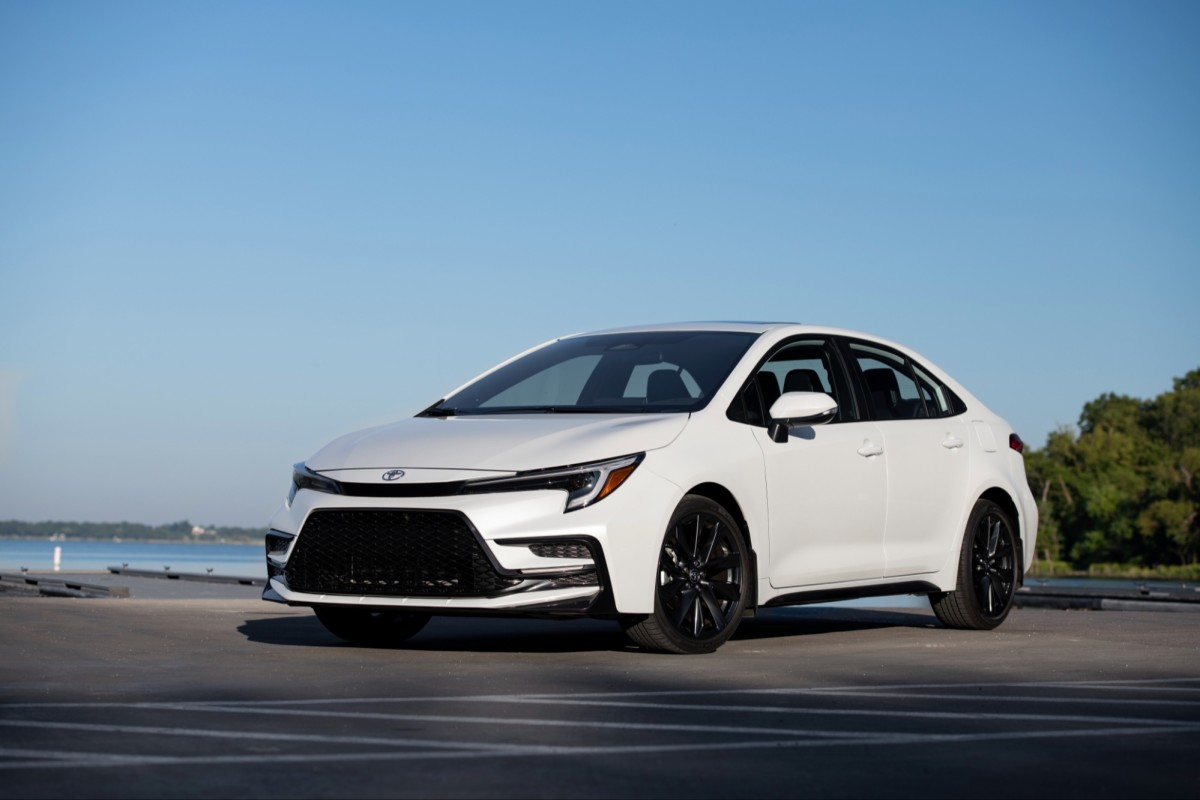
If you want a tiny car that feels purpose-built for driving enjoyment, the GR Corolla delivers the kind of poise and stability that’s rare in small hatchbacks. It wraps serious drivetrain and suspension hardware in a practical, easy-to-park footprint, so it can work as a daily driver while still feeling special every time the road opens up.
That performance-first focus comes with trade-offs that matter in the real world. The interior is cramped for passengers and cargo compared with more mainstream small cars, and the ride can feel rough—especially on broken city pavement. Shoppers who care about personalization should also know that exterior and interior color choices are limited, so it’s more about the driving experience than tailoring the look.
The CarGurus Verdict:"The Toyota GR Corolla is a hot hatch and a tiny ball of fury in an everyday wrapper." - Clifford Atiyeh
CarGurus expert rating: 5.2 out of 10
CarGurus user rating: 4.6 out of 5
Percentage of Good and Great Deals available on CarGurus: 33.5%
Overall CarGurus rating: 4.2 out of 5
Pros
Cons
Small and easy to park
Underpowered
Fuel efficient
Lots of plastic inside
Good space for the size
Excessive interior noise
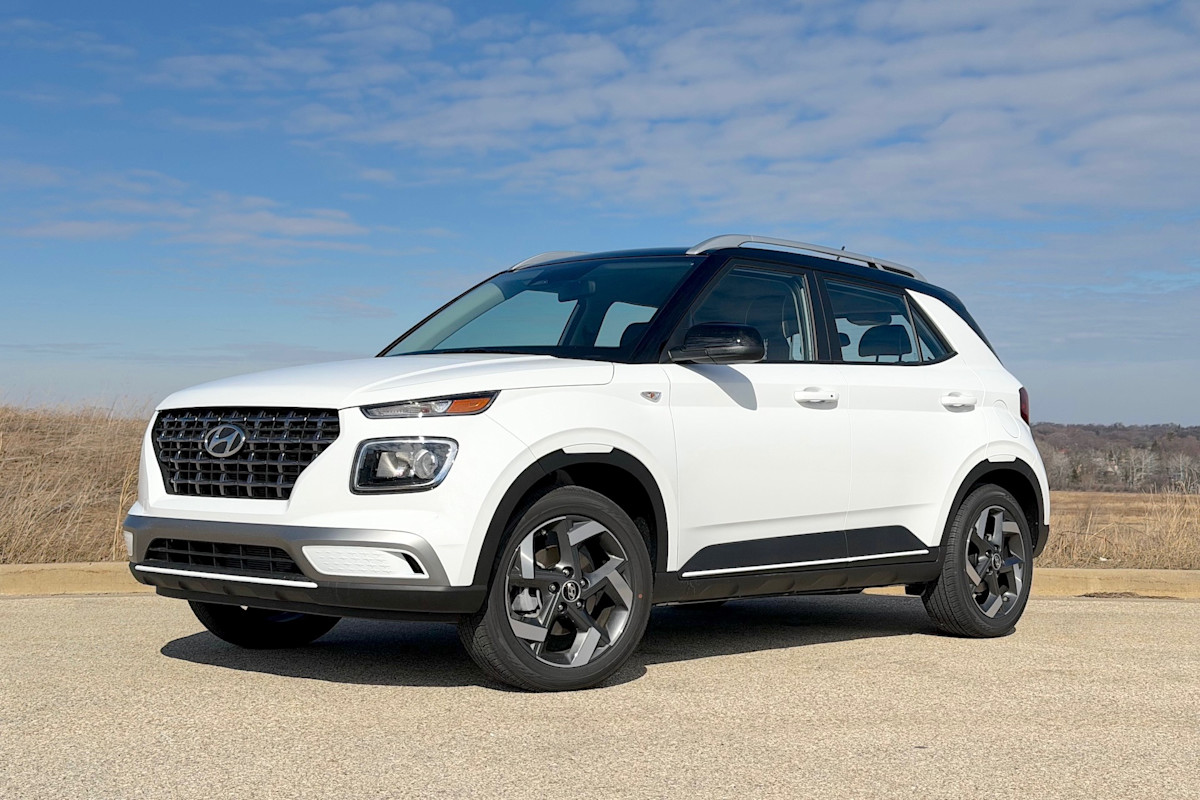
If you want a genuinely tiny vehicle that's easy to live with in tight neighborhoods and crowded parking lots, the Hyundai Venue fits the mission: it's short, light, and nimble in city traffic, with a tall-hatchback shape that prioritizes practicality over flash. Power comes from a 1.6-liter four-cylinder making 121 hp and 113 lb-ft of torque, routed through a CVT to the front wheels only; it feels willing off the line around town, but highway passing takes patience, and road noise is part of the budget-car tradeoff. The upright stance and standard roof rails give it crossover vibes, but it's still sized like a runabout, which is exactly the point for shoppers chasing "tiny car" usability.
For day-to-day hauling, the Venue's boxy proportions help it punch above its footprint: cargo space measures 18.7 cubic feet behind the rear seats and 31.9 cubic feet with them folded, and the rear seat is workable for two adults in a pinch (though tall passengers will feel the legroom limits). Tech is straightforward rather than fancy, centered on an 8-inch touchscreen with wireless Apple CarPlay and Android Auto, while safety gear is a bright spot with standard forward-collision warning, automatic emergency braking, and lane-keep assist (adaptive cruise control isn't offered). Pricing stays under $25,000 in this lineup, and EPA fuel economy is rated at 29 mpg city, 33 mpg highway, and 31 mpg combined, reinforcing the Venue's role as an affordable, easy-to-park small vehicle—so long as you're comfortable with its hard-plastic cabin and bare-bones refinement.
The CarGurus Verdict:"The Hyundai Venue replaces the fading subcompact car with a crossover aesthetic that brings higher prices but just as much cost-cutting." - Kirk Bell
CarGurus expert rating: 6.2 out of 10
CarGurus user rating: 4.4 out of 5
Percentage of Good and Great Deals available on CarGurus: 28.5%
Overall CarGurus rating: 4.2 out of 5
Pros
Cons
Great handling
Tight cargo and passenger space
Quick-revving engine
Modest power
Engaging manual transmission
Ride can get hard
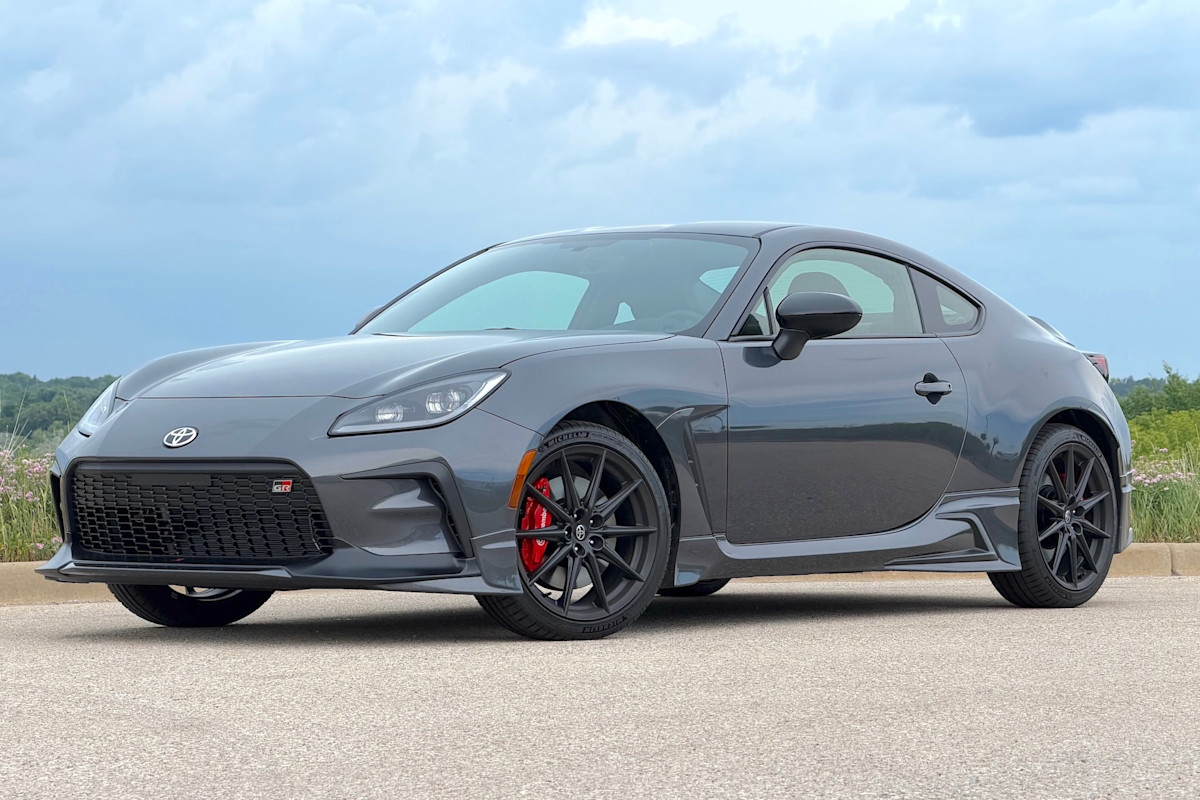
For shoppers who want a tiny car that prioritizes driver enjoyment, the Toyota GR86 fits the brief with a low-slung, compact footprint that’s easy to place on tight roads and in crowded parking lots. It’s the kind of small coupe you pick because the steering and chassis feel lively and connected, and the quick-revving character encourages you to use the whole engine rather than simply relying on brute force.
The flip side of that small, sporty layout is everyday practicality: passenger room is limited, cargo space is tight, and the ride can feel firm when the pavement gets rough. Still, if your “tiny car” needs to be something you look forward to driving—especially if you want an engaging manual transmission—the GR86 delivers a lot of fun for the money, and a meaningful share of listings qualify as Good or Great Deals on CarGurus.
The CarGurus Verdict:"Some people choose cars because they’re fun to drive, and the 2026 Toyota GR86 is one of the finest and most affordable of those choices." - Kirk Bell
As with any vehicle category, there are pros and cons that come with owning a tiny car. Let’s start with the good.
One of the biggest perks of owning a tiny car is size, or rather lack thereof. Thanks to their compact footprints, tiny cars are generally more maneuverable than larger vehicles. This makes them particularly well-suited to urban environments where the ability to dart through traffic or pull into a small parking spot can be extremely useful, and also add up to a surprisingly sporty driving experience.
Though not universally true, subcompact cars tend to have better fuel economy and EPA-rated mpg figures, because they have less mass to move than larger vehicles—even compact cars. Moreover, with less weight to move around, minicars can use smaller, and therefore more fuel-efficient powertrains without significantly impacting performance. The Jeep Wrangler, however, with its two-ton curb weight and powerful V6 engine, is a notable exception to this rule.
There is often a perception that tiny cars are devoid of equipment but, these days, that’s not true. They’re not dripping with Mercedes S-Class levels of luxury and tech, but you can certainly expect modern features such as a touchscreen infotainment system.
Although there are clear benefits to small car ownership, there are also downsides, such as a lack of cabin space. A tiny car might not offer the same kind of head and legroom as you’d get from a vehicle in a class-up, particularly if you’re a backseat passenger or have to manage car seats. Likewise, cargo space can suffer when overall length is limited.
What Makes CarGurus Best Cars Guides Different?
Most car-shopping websites publish lists of the best cars across a variety of categories, with recommendations generally driven by editorial expertise. Here's what makes ours different: In addition to the insights and verdicts of our team of car-testing experts, our best cars guides take into account other factors that we know matter to buyers-real owner experiences and current market value.
Our expert reviewers are among this country's most trusted automotive journalists, also writing for publications including US News and World Report, Edmunds, Digital Trends, J.D. Power, and Car & Driver. They put each car through real-world testing and create detailed reviews of performance in a range of categories, from practicality and driving manners to cost-effectiveness and safety.
We also analyze hundreds of thousands of used car listings on CarGurus.com to track which models consistently offer the highest percentage of best deals relative to how many are listed for sale. Then we factor in reviews from owners-people who actually live with these cars every day. Our proprietary Best Cars algorithm then creates a final Overall CarGurus rating combining expert scores, user reviews, and the percentage of listings that have earned the Good or Great Deal rating. This multi-pronged approach reveals not just which cars excel on paper, but which ones deliver satisfaction and value when you're ready to buy.
The CarGurus market data used in this guide was last updated in September 2026. Values were accurate at time of publication and should be used as a guide only.
Sometimes our content pages are the result of a team effort. As with all CarGurus editorial, you can expect high levels of automotive insight and expertise delivered in a style that is approachable and free from jargon.
The content above is for informational purposes only and should be independently verified. Please see our Terms of Use for more details.