Car ownership can be a surprisingly solitary pursuit. You plan the upgrades, do the maintenance, and take the drives—often entirely on your own. And for a while, that's fine. But cars have always meant more than transportation. They carry engineering history, cultural identity, and the kind of obsessive detail that most people in your life will politely tolerate for about four minutes before changing the subject.
Which is precisely why car clubs exist.
Whether you're nursing a half-finished restoration back to life, chasing lap times on a Sunday morning, or simply trying to find someone who understands why the correct wheel fitment matters, a club puts you in a room—or a car park, or a track day paddock—with people who actually get it.
- Real-World Events and Driving Experiences
- Expanded Knowledge and Technical Support
- Access to Parts and Vendor Networks
- Shared Project Motivation and Accountability
- Deeper Social Connection and Long-Term Community
- Professional Growth and Industry Connections
- Structured Opportunities to Give Back
- Tangible Membership Benefits and Practical Advantages
- Preserving Automotive Knowledge and Culture
- When There's No Club Nearby: Creating Your Own

Real-World Events and Driving Experiences
The obvious answer to "what do car clubs do?" is events. Most active clubs organise a mix of:
- Local meetups and cars-and-coffee mornings
- Scenic group drives and road rallies
- Track days and autocross
- Car shows and concours events
- Technical workshops and hands-on sessions
For many members, the club calendar becomes one of the most genuinely motivating aspects of ownership—not because the events are compulsory, but because having a date on the horizon turns vague intentions into actual progress. It also gives you a reason to drive more intentionally. There's a different quality to a Sunday morning road rally with twenty other enthusiasts than there is to a solo commute.
Expanded Knowledge and Technical Support
No matter how well you think you know your car, there is almost always more to learn. Clubs gather individuals with decades of experience working on similar vehicles-and that collective knowledge becomes an invaluable resource, whether you're deepening your understanding or working through a stubborn problem.
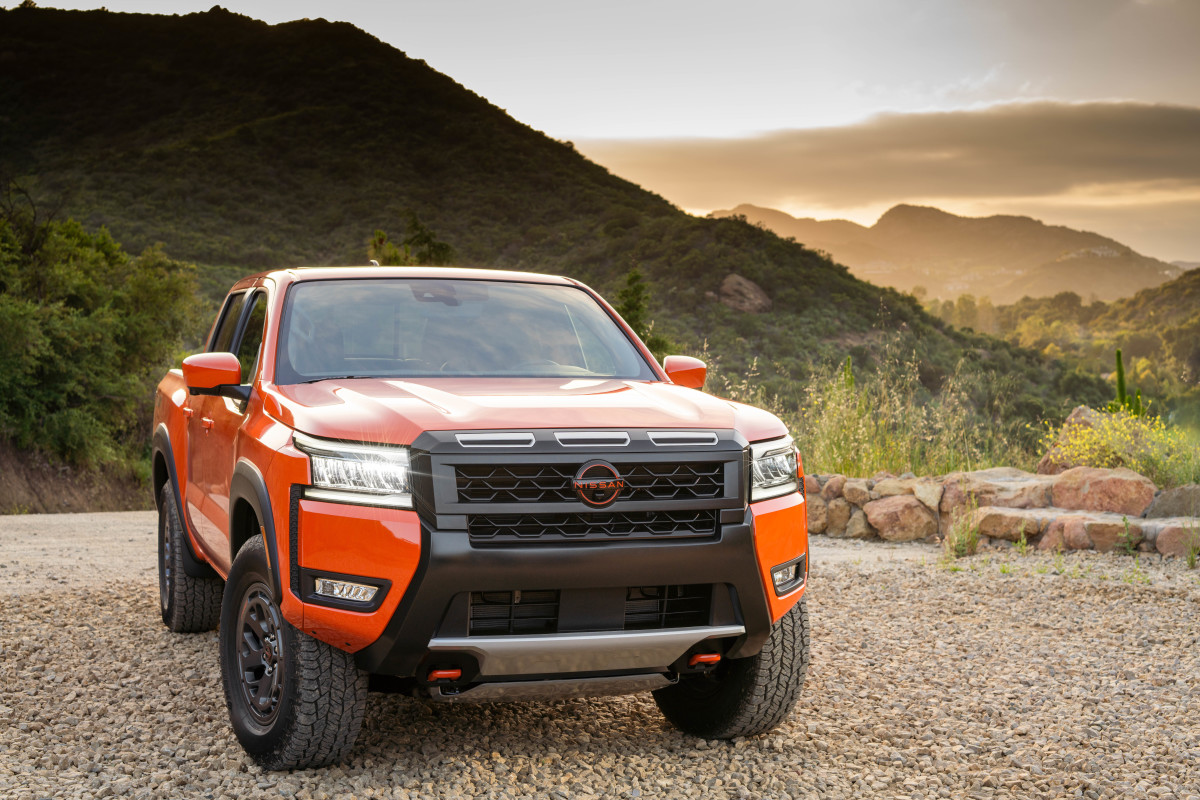
Single-make or single-model clubs are especially useful for owners of specialty vehicles like classic sports cars. When documentation is limited or factory information is outdated, experienced members often become the most reliable source of practical insight. This is equally true for owners of older or popular models like family cars and pickup trucks, where firsthand repair experience and shared troubleshooting strategies can resolve issues that standard searches cannot.
For rare or older vehicles, this support becomes even more critical. Club networks help keep cars on the road by sharing sourcing tips and hard-earned repair knowledge when parts availability is limited or manufacturer support has been discontinued.
Instead of working in isolation, you gain access to collective experience that spans both history and hands-on repair.

Access to Parts and Vendor Networks
For owners of classic, imported, or low-production vehicles, parts sourcing is where projects go to stall. Clubs help here in ways that search engines simply can't replicate:
- Member-to-member parts exchanges and early notice of rare components
- Specialist vendor relationships built over years, with reputations attached
- Group-buy arrangements that make otherwise expensive items accessible
A vendor recommendation from a club member who has used a restoration supplier three times carries considerably more weight than a five-star rating from an unknown source. For obscure models, that network can be the difference between a completed build and a car that sits on axle stands indefinitely.
Shared Project Motivation and Accountability
Restorations rarely move in a straight line. Parts are delayed. Budgets shift. Motivation evaporates somewhere between stripping the interior and sourcing the correct fasteners. When you're working alone, a project car can sit untouched for months without anyone noticing or caring.
Clubs change that dynamic in a way that's difficult to manufacture artificially. When other members know your build, progress becomes part of a shared conversation. The spring meet isn't just an event, it's a deadline. The member who finished a similar restoration last year isn't just a contact, they're someone who's already made the mistakes you're about to make.
There's also something to be said for the normalising effect. Every project has phases where nothing works and everything costs more than expected. Seeing experienced members navigate the same frustrations—and persist anyway—makes the process feel less like personal failure and more like the standard experience of owning something worth owning.
Deeper Social Connection and Long-Term Community
Car clubs have a reputation for being slightly nerdy and occasionally dominated by people who will talk at length about paint codes. This reputation is not entirely undeserved. It is also beside the point.
The relationships that develop within enthusiast communities tend to be genuinely durable, partly because they're built on shared experience rather than proximity or professional obligation, and partly because the shared interest never really goes away. It's not uncommon to find members who joined in their twenties and are still active in their sixties, carrying with them a store of historical knowledge, practical experience, and restoration standards that simply can't be replicated from scratch.
For newer enthusiasts, that intergenerational continuity is particularly valuable. The member who remembers what these cars were like when they were new, who knows which factory options are worth preserving and which period modifications are acceptable, is an asset that no online forum fully replaces.

Professional Growth and Industry Connections
For members whose enthusiasm intersects with professional life—restoration, performance tuning, engineering, insurance, media, event management—clubs offer something that conventional networking rarely does: relationships built on shared passion first, professional utility second.
Conversations happen naturally around open bonnets and at tech sessions rather than across conference tables. A casual exchange at a meet can evolve into a professional referral months later, and because trust develops slowly and organically within enthusiast communities, those connections tend to hold. Even for members with no automotive career ambitions, exposure to the professionals who work within the ecosystem broadens understanding of how the wider car world actually functions.
Structured Opportunities to Give Back
Many clubs integrate charitable initiatives into their annual calendars. Common examples include:
- Charity shows benefiting local nonprofits
- Fundraising drives for medical or educational causes
- Toy and food collections around the holidays
- Educational outreach to schools and youth programmes
When automotive display combines with a charitable purpose, events tend to attract broader audiences and reinforce a more positive public perception of enthusiast culture generally. For members, it extends the hobby beyond personal enjoyment.
Tangible Membership Benefits and Practical Advantages
Beyond the community, most established clubs offer concrete advantages worth knowing about:
- Discounted collector car insurance through negotiated club partnerships
- Preferred pricing at specialist vendors and restoration suppliers
- Member-only classified listings and early notice of cars and parts for sale
- Reduced roadside assistance rates
- Early registration windows for high-demand events
Member publications are often underrated. The best ones go well beyond event calendars into detailed restoration features, production history research, and technical documentation that isn't widely available elsewhere. For owners planning to keep their vehicles long-term, that archive access alone can justify the annual subscription.

Preserving Automotive Knowledge and Culture
As electrification and automation reshape the industry, the practical knowledge surrounding traditional mechanical systems risks fading from everyday experience. Car clubs are, among other things, the informal custodians of that knowledge—maintaining archives, documenting restoration standards, hosting hands-on sessions, and introducing younger enthusiasts to skills that don't transfer automatically between generations.
For classic and specialist vehicles especially, this preservation role is significant. Without organised communities, expertise fragments. Cars that could have been saved aren't. The stories attached to them disappear.
When There's No Club Nearby: Creating Your Own
Most established clubs started as a handful of people meeting in a car park. If there's no club for your make or model in your area, the bar to starting one is lower than it probably feels. A consistent meeting schedule, a group chat, and a willingness to organise something small to begin with is usually enough. Structure tends to develop naturally once the core group exists.
More Than Membership
Joining a car club isn't a commitment to attend every event or volunteer for every committee. It's access to an ecosystem—of knowledge, motivation, parts, expertise, and people who share an enthusiasm that the rest of the world finds mildly baffling.
Car ownership can begin as a personal passion. Through a club, it tends to stay one.
Additional Resources
The Benefits of Joining a Car Club
How to Start a Local Classic Car Club
What Do Car Clubs Do?
The Classic Car Club of America
The Essential Impact of Car Clubs on Auto Enthusiasm
Triton Automotive Club: A Community for Car Enthusiasts
BU Auto-Club Surges in Popularity
Find Car Clubs Near You
Origins of Car Clubs
Early Automotive Associations