Used 2019 Lexus ES Hybrid for SaleNationwide
Shop with transparent pricing.
Only show listings that include dealer fees- Year:
- 2020
- Make:
- Lexus
- Model:
- ES Hybrid
- Body type:
- Sedan
- Doors:
- 4 doors
- Drivetrain:
- Front-Wheel Drive
- Engine:
- 2.5L I4 Hybrid
- Exterior color:
- Nebula Gray Pearl
- Combined gas mileage:
- 43 MPG
- Fuel type:
- Hybrid
- Interior color:
- Black
- Transmission:
- Continuously Variable Transmission
- Mileage:
- 96,686
- Stock #:
- TA010249B
- VIN:
- 58AD21B14LU005100

2020 Lexus ES Hybrid
300h FWD
96,686 mi
$23,054
- Year:
- 2020
- Make:
- Lexus
- Model:
- ES Hybrid
- Body type:
- Sedan
- Doors:
- 4 doors
- Drivetrain:
- Front-Wheel Drive
- Engine:
- 2.5L I4 Hybrid
- Exterior color:
- Gray
- Combined gas mileage:
- 43 MPG
- Fuel type:
- Hybrid
- Interior color:
- Black
- Transmission:
- 6-Speed CVT
- Mileage:
- 86,577
- Stock #:
- W2670476
- VIN:
- 58AD21B16LU009956

2020 Lexus ES Hybrid
300h FWD
86,577 mi
$27,588
- Year:
- 2019
- Make:
- Lexus
- Model:
- ES Hybrid
- Body type:
- Sedan
- Doors:
- 4 doors
- Drivetrain:
- Front-Wheel Drive
- Engine:
- 2.5L I4 Hybrid
- Combined gas mileage:
- 44 MPG
- Fuel type:
- Hybrid
- Interior color:
- Black
- Transmission:
- 6-Speed CVT
- Mileage:
- 89,856
- Stock #:
- 8G42405A
- VIN:
- JTHB21B1XK2000219

2019 Lexus ES Hybrid
300h Ultra Luxury FWD
89,856 mi
$26,516
- Year:
- 2019
- Make:
- Lexus
- Model:
- ES Hybrid
- Body type:
- Sedan
- Doors:
- 4 doors
- Drivetrain:
- Front-Wheel Drive
- Engine:
- 2.5L I4 Hybrid
- Exterior color:
- Brown (Moonbeam Beige Metallic)
- Combined gas mileage:
- 44 MPG
- Fuel type:
- Hybrid
- Interior color:
- Chateau
- Transmission:
- Continuously Variable Transmission
- Mileage:
- 52,304
- Stock #:
- 3981A
- VIN:
- 58AB21B10KU003981

2019 Lexus ES Hybrid
300h FWD
52,304 mi
$29,299
- Year:
- 2019
- Make:
- Lexus
- Model:
- ES Hybrid
- Body type:
- Sedan
- Doors:
- 4 doors
- Drivetrain:
- Front-Wheel Drive
- Engine:
- 2.5L I4 Hybrid
- Combined gas mileage:
- 44 MPG
- Fuel type:
- Hybrid
- Transmission:
- Continuously Variable Transmission
- Mileage:
- 108,000
- Stock #:
- 13372
- VIN:
- 58AB21B11KU003634

2019 Lexus ES Hybrid
300h FWD
108,000 mi
$22,992
- Year:
- 2020
- Make:
- Lexus
- Model:
- ES Hybrid
- Body type:
- Sedan
- Doors:
- 4 doors
- Drivetrain:
- Front-Wheel Drive
- Engine:
- 2.5L I4 Hybrid
- Exterior color:
- Atomic Silver
- Combined gas mileage:
- 43 MPG
- Fuel type:
- Hybrid
- Interior color:
- Chateau
- Transmission:
- Continuously Variable Transmission
- Mileage:
- 64,465
- Stock #:
- 122331W
- VIN:
- 58AF21B15LU012274

2020 Lexus ES Hybrid
300h Ultra Luxury FWD
64,465 mi
$35,243
- Year:
- 2019
- Make:
- Lexus
- Model:
- ES Hybrid
- Body type:
- Sedan
- Doors:
- 4 doors
- Drivetrain:
- Front-Wheel Drive
- Engine:
- 2.5L I4 Hybrid
- Exterior color:
- Black (Caviar)
- Combined gas mileage:
- 44 MPG
- Fuel type:
- Hybrid
- Interior color:
- Black w/Linear Espresso Wood Trim
- Transmission:
- Continuously Variable Transmission
- Mileage:
- 79,590
- Stock #:
- U00169A
- VIN:
- JTHB21B15K2033662

2019 Lexus ES Hybrid
300h Ultra Luxury FWD
79,590 mi
$29,157
- Year:
- 2018
- Make:
- Lexus
- Model:
- ES Hybrid
- Body type:
- Sedan
- Doors:
- 4 doors
- Drivetrain:
- Front-Wheel Drive
- Engine:
- 200 hp 2.5L I4 Hybrid
- Exterior color:
- Silver
- Combined gas mileage:
- 40 MPG
- Fuel type:
- Hybrid
- Interior color:
- Black W/Linear Wood
- Transmission:
- Continuously Variable Transmission
- Mileage:
- 114,032
- Stock #:
- UE194486
- VIN:
- JTHBW1GG4J2194486

2018 Lexus ES Hybrid
300h FWD
114,032 mi
$19,921
- Year:
- 2019
- Make:
- Lexus
- Model:
- ES Hybrid
- Body type:
- Sedan
- Doors:
- 4 doors
- Drivetrain:
- Front-Wheel Drive
- Engine:
- 2.5L I4 Hybrid
- Exterior color:
- Red
- Combined gas mileage:
- 44 MPG
- Fuel type:
- Hybrid
- Interior color:
- Black
- Transmission:
- 6-Speed CVT
- Mileage:
- 51,228
- VIN:
- JTHB21B11K2045050

2019 Lexus ES Hybrid
300h Ultra Luxury FWD
51,228 mi
$29,700
- Year:
- 2019
- Make:
- Lexus
- Model:
- ES Hybrid
- Body type:
- Sedan
- Doors:
- 4 doors
- Drivetrain:
- Front-Wheel Drive
- Engine:
- 2.5L I4 Hybrid
- Exterior color:
- White
- Combined gas mileage:
- 44 MPG
- Fuel type:
- Hybrid
- Interior color:
- Black
- Transmission:
- Automatic
- Mileage:
- 48,875
- Stock #:
- CKU001766
- VIN:
- 58AB21B18KU001766

2019 Lexus ES Hybrid
300h Luxury FWD
48,875 mi
$28,696
- Year:
- 2019
- Make:
- Lexus
- Model:
- ES Hybrid
- Body type:
- Sedan
- Doors:
- 4 doors
- Drivetrain:
- Front-Wheel Drive
- Engine:
- 2.5L I4 Hybrid
- Exterior color:
- Brown (Beige Metallic)
- Combined gas mileage:
- 44 MPG
- Fuel type:
- Hybrid
- Interior color:
- Chateau
- Transmission:
- Continuously Variable Transmission
- Mileage:
- 108,475
- Stock #:
- F24313T
- VIN:
- JTHB21B15K2005716

2019 Lexus ES Hybrid
300h FWD
108,475 mi
$23,785
- Year:
- 2018
- Make:
- Lexus
- Model:
- ES Hybrid
- Body type:
- Sedan
- Doors:
- 4 doors
- Drivetrain:
- Front-Wheel Drive
- Engine:
- 200 hp 2.5L I4 Hybrid
- Exterior color:
- Eminent White Pearl
- Combined gas mileage:
- 40 MPG
- Fuel type:
- Hybrid
- Interior color:
- White (Parchment w/Matte Bamboo)
- Transmission:
- Automatic
- Mileage:
- 74,771
- Stock #:
- 186748
- VIN:
- JTHBW1GG1J2186748

2018 Lexus ES Hybrid
300h FWD
74,771 mi
$22,500
- Year:
- 2019
- Make:
- Lexus
- Model:
- ES Hybrid
- Body type:
- Sedan
- Doors:
- 4 doors
- Drivetrain:
- Front-Wheel Drive
- Engine:
- 2.5L I4 Hybrid
- Exterior color:
- Matador Red Mica
- Combined gas mileage:
- 44 MPG
- Fuel type:
- Hybrid
- Interior color:
- Flaxen
- Transmission:
- Continuously Variable Transmission
- Mileage:
- 100,041
- Stock #:
- EP6385
- VIN:
- 58AB21B10KU003169

2019 Lexus ES Hybrid
300h FWD
100,041 mi
$24,998
About 2019 Lexus ES Hybrid
- Year:
- 2019
- Make:
- Lexus
- Model:
- ES Hybrid
- Body type:
- Sedan
- Doors:
- 4 doors
- Drivetrain:
- Front-Wheel Drive
- Engine:
- 2.5L I4 Hybrid
- Exterior color:
- Silver
- Combined gas mileage:
- 44 MPG
- Fuel type:
- Hybrid
- Interior color:
- Black
- Transmission:
- Continuously Variable Transmission
- Mileage:
- 155,465
- Stock #:
- 4027778
- VIN:
- JTHB21B15K2027778

2019 Lexus ES Hybrid
300h Ultra Luxury FWD
155,465 mi
$21,799
- Year:
- 2018
- Make:
- Lexus
- Model:
- ES Hybrid
- Body type:
- Sedan
- Doors:
- 4 doors
- Drivetrain:
- Front-Wheel Drive
- Engine:
- 200 hp 2.5L I4 Hybrid
- Combined gas mileage:
- 40 MPG
- Fuel type:
- Hybrid
- Transmission:
- Continuously Variable Transmission
- Mileage:
- 135,295
- Stock #:
- 2378
- VIN:
- JTHBW1GG1J2170887

2018 Lexus ES Hybrid
300h FWD
135,295 mi
$17,877
- Year:
- 2019
- Make:
- Lexus
- Model:
- ES Hybrid
- Body type:
- Sedan
- Doors:
- 4 doors
- Drivetrain:
- Front-Wheel Drive
- Engine:
- 2.5L I4 Hybrid
- Exterior color:
- Sunlit Green
- Combined gas mileage:
- 44 MPG
- Fuel type:
- Hybrid
- Interior color:
- Chateau
- Transmission:
- Automatic
- Mileage:
- 49,127
- Stock #:
- K2025637
- VIN:
- JTHB21B1XK2025637

2019 Lexus ES Hybrid
300h FWD
49,127 mi
$31,489
- Year:
- 2018
- Make:
- Lexus
- Model:
- ES Hybrid
- Body type:
- Sedan
- Doors:
- 4 doors
- Drivetrain:
- Front-Wheel Drive
- Engine:
- 200 hp 2.5L I4 Hybrid
- Exterior color:
- Atomic Silver
- Combined gas mileage:
- 40 MPG
- Fuel type:
- Hybrid
- Interior color:
- Black W/Linear Wood
- Transmission:
- Continuously Variable Transmission
- Mileage:
- 74,322
- Stock #:
- 6702T
- VIN:
- JTHBW1GG0J2191312

2018 Lexus ES Hybrid
300h FWD
74,322 mi
$24,096
- Year:
- 2018
- Make:
- Lexus
- Model:
- ES Hybrid
- Body type:
- Sedan
- Doors:
- 4 doors
- Drivetrain:
- Front-Wheel Drive
- Engine:
- 200 hp 2.5L I4 Hybrid
- Exterior color:
- Eminent White Pearl
- Combined gas mileage:
- 40 MPG
- Fuel type:
- Hybrid
- Interior color:
- White (Parchment)
- Transmission:
- Continuously Variable Transmission
- Mileage:
- 154,422
- Stock #:
- T04355L
- VIN:
- JTHBW1GG7J2187967

-$1,718
2018 Lexus ES Hybrid
300h FWD
154,422 mi
$18,899
$17,266
- Year:
- 2018
- Make:
- Lexus
- Model:
- ES Hybrid
- Body type:
- Sedan
- Doors:
- 4 doors
- Drivetrain:
- Front-Wheel Drive
- Engine:
- 200 hp 2.5L I4 Hybrid
- Exterior color:
- Atomic Silver
- Combined gas mileage:
- 40 MPG
- Fuel type:
- Hybrid
- Interior color:
- Black w/Linear Wood
- Transmission:
- Continuously Variable Transmission
- Mileage:
- 83,305
- Stock #:
- M571
- VIN:
- JTHBW1GG8J2189159

-$1,001
2018 Lexus ES Hybrid
300h FWD
83,305 mi
$23,360
$22,359
- Year:
- 2020
- Make:
- Lexus
- Model:
- ES Hybrid
- Body type:
- Sedan
- Doors:
- 4 doors
- Drivetrain:
- Front-Wheel Drive
- Engine:
- 2.5L I4 Hybrid
- Exterior color:
- Red
- Combined gas mileage:
- 43 MPG
- Fuel type:
- Hybrid
- Transmission:
- Continuously Variable Transmission
- Mileage:
- 32,103
- Stock #:
- U011488
- VIN:
- 58AD21B19LU011488

2020 Lexus ES Hybrid
300h FWD
32,103 mi
$30,297
- Year:
- 2020
- Make:
- Lexus
- Model:
- ES Hybrid
- Body type:
- Sedan
- Doors:
- 4 doors
- Drivetrain:
- Front-Wheel Drive
- Engine:
- 2.5L I4 Hybrid
- Exterior color:
- Black (Caviar)
- Combined gas mileage:
- 43 MPG
- Fuel type:
- Hybrid
- Interior color:
- Black
- Transmission:
- Continuously Variable Transmission
- Mileage:
- 94,363
- Stock #:
- MZT2982A
- VIN:
- 58AD21B15LU007390

2020 Lexus ES Hybrid
300h FWD
94,363 mi
$26,988
- Year:
- 2019
- Make:
- Lexus
- Model:
- ES Hybrid
- Body type:
- Sedan
- Doors:
- 4 doors
- Drivetrain:
- Front-Wheel Drive
- Engine:
- 2.5L I4 Hybrid
- Exterior color:
- Gray
- Combined gas mileage:
- 44 MPG
- Fuel type:
- Hybrid
- Interior color:
- Black
- Transmission:
- Continuously Variable Transmission
- Mileage:
- 188,532
- Stock #:
- SA10457
- VIN:
- JTHB21B16K2001657

2019 Lexus ES Hybrid
300h Ultra Luxury FWD
188,532 mi
$18,995
- Year:
- 2019
- Make:
- Lexus
- Model:
- ES Hybrid
- Body type:
- Sedan
- Doors:
- 4 doors
- Drivetrain:
- Front-Wheel Drive
- Engine:
- 2.5L I4 Hybrid
- Exterior color:
- Mica
- Combined gas mileage:
- 44 MPG
- Fuel type:
- Hybrid
- Interior color:
- Black
- Transmission:
- Continuously Variable Transmission
- Mileage:
- 40,422
- Stock #:
- V70805
- VIN:
- JTHB21B10K2001458

2019 Lexus ES Hybrid
300h FWD
40,422 mi
$29,885
Overview

While the Lexus ES has been around for a couple of decades, the ES Hybrid variant only showed up in 2013 with the release of the sixth-generation model. The hybrid was immediately successful, so the 2019 ground-up redesign of the ES includes the popular hybrid.
Looking at the new ES Hybrid, car buyers find a shape that is at once reminiscent of the previous models and altogether new. It starts at the front end with the smoothest iteration of the Lexus spindle-grille to date. A single crease wraps across the entirety of the front end, underlining the headlights as it curves downward toward the ends of the bumper, echoed by a similar crease at the rear. Thanks to a new structure, Lexus was able to alter the ES Hybrid’s dimensions in flattering ways, especially the 2-inch increase between the front and rear wheels. As before, there’s not much to visually differentiate the ES Hybrid from its gasoline-only counterpart—which is a good thing—because it means that both are equally sleek and handsome.
Inside, the ES Hybrid ramps up the edgy sport theme established by the previous model. An asymmetrical interior prioritizes driver comfort and ergonomics, a design concept Lexus calls its “Seat In Control.” Designers have made sure that everything the driver interacts with is pleasing to the touch. Beyond that, the cabin benefits from increased storage room with a larger center console and door pockets that are capable of holding 20-ounce drink bottles or a 9.7-inch tablet. The biggest news, however, is the relocation of the battery to an area beneath the rear seats. Not only does this improve the ES Hybrid’s front-to-rear weight ratio and provide for better driving dynamics, it frees up additional space in the trunk and means that the hybrid now has the same 16.7 cubic feet of trunk storage as the gasoline model.
New interfaces are dispersed throughout the ES Hybrid’s cabin, too. Front-and-center sits a revised instrument panel with a crisp 7-inch LCD embedded within. The infotainment screen has been relocated to sit above the dashboard, putting it within the natural sightline of the driver without raising the rest of the dashboard. It measures 8 inches in standard form or 12.3 inches when equipped with the optional navigation system that combines both on-board information and cloud-based data for improved directions. The system is Apple CarPlay enabled, and it can interact with Alexa-enabled smart home devices. It’s all controlled by a new touchpad with a larger surface area and intuitive voice commands.
All ES Hybrids are powered by a 2.5-liter inline 4-cylinder engine and electric motor inside of a revised hybrid transaxle. Horsepower is up by 20, to 215, while torque increases by 12 pound-feet. Official fuel economy figures have not yet been released, but Lexus estimates 44 miles per gallon—a ten-percent increase. The engineers set about improving the driving characteristics of its hybrid powertrain by tuning it to deliver acceleration in a more linear fashion. There’s a Standard sport mode that increases torque at lower speeds and enables the use of paddle shifters to run through six simulated gears. Finally, there’s the new Auto Glide Control (AGC) system. When in Eco mode, AGC places the car in a coast mode as soon as the driver releases the accelerator; this allows the car to decelerate at a more predictable rate and keeps the driver from alternating between brake and accelerator.
The ES Hybrid has always been at the forefront of safety, and the new model is no exception. For 2019, the entire Lexus Safety System+ 2.0 is standard equipment. The pre-collision system has been enhanced with both a radar and a camera sensor that can now detect bicyclists and obstacles in low-light settings. Lane-departure assist and lane-keep assist are standard, and the new adaptive cruise control works at all speeds, providing smoother braking and acceleration in thick traffic. Lastly, Lexus has added a road-sign recognition program that can read certain signs and display them to the driver.
It’s hard to find a car that’s as well-rounded as the ES Hybrid. It’s stylish, efficient, safe, luxurious, and high-tech. The older model was competitive, so the new 2019 version shows that Lexus isn’t happy resting on its laurels. Look for more information soon and a rollout in later 2018.
*CarGurus meticulously monitors the prices of millions of pre-owned vehicle listings, offering users precise and up-to-date market insights. Historical pricing data excludes any additional dealer fees as of May 3, 2026.
4.7 Overall rating
Filter by rating
Anonymous
Reviewed a 2019 Lexus ES Hybrid on May 26, 2022
The Lexus ES 300h is a splendid car. It gives a very comfortable drive. I have had ES350 for several years and would not drive anything but Lexus. They are almost identical apart from being a hybrid. Many people love the Lexus SUVs and the smaller cross overs but I prefer the longer sedan wheel base for comfort.
Harry K
Reviewed a 2019 Lexus ES Hybrid on Nov 23, 2020
The 2019 and 2020 Lexus ES350 and ES300h Ultra Luxury is second to none in its sporty appearance, fine craftsmanship. Lexus longevity is well know and no need to mention. Inside out it is an amazing car and hats off to the design team and engineers.
Al S
Reviewed a 2019 Lexus ES Hybrid on Aug 11, 2021
The engineering and technology are second to none. The dashboard design is lackluster at best. It is an excellent value except for the fact that in the Midwest this car is being over priced.
2019 Lexus ES Hybrid Trims
| Trim type | MSRP |
|---|---|
| 300h FWD | $41,560 |
| 300h Ultra Luxury FWD | $45,210 |
| 300h Luxury FWD | $44,215 |
| 300h Premium FWD | -- |
*CarGurus meticulously monitors the prices of millions of pre-owned vehicle listings, offering users precise and up-to-date market insights. Historical pricing data excludes any additional dealer fees as of May 3, 2026.
2019 Lexus ES Hybrid Price Trends
CarGurus tracks the prices of millions of used car listings every year. See how the average price of 2019 Lexus ES Hybrid prices has changed over time.
See more price trends2019 Lexus ES Hybrid Pricing Analysis
Pricing by Popular US Cities
Market Area: Nationwide
Key Insights
- Highest-Price Market: Chicago, IL leads with an average price of $31,660, indicating a premium market for the 2019 Lexus ES Hybrid.
- Best Value: Miami, FL offers the lowest average price at $21,895, presenting a significant opportunity for budget-conscious shoppers.
- Inventory Drives Stability: Los Angeles, CA has the most listings at 24, suggesting a robust market presence that may stabilize pricing.
City-Level Pricing
| City | Total Listings | Avg Price |
|---|---|---|
| Los Angeles, CA | 24 | $26,511 |
| Chicago, IL | 15 | $31,660 |
| Dallas, TX | 15 | $25,731 |
| Washington, DC | 15 | $28,331 |
| Philadelphia, PA | 12 | $25,497 |
| Boston, MA | 12 | $30,214 |
| New York, NY | 11 | $30,943 |
| Miami, FL | 10 | $21,895 |
Pricing by Trim Packages
Key Insights
- Volume Leader: The 300h FWD trim has the highest inventory with 575 listings, indicating strong demand for this configuration.
- Premium Spread: The 300h Ultra Luxury FWD trim, priced at $45,210, reflects a $3,995 premium over the 300h Luxury FWD trim, highlighting the value of additional luxury features.
- Drivetrain Effect: All trims feature a FWD drivetrain, which may appeal to buyers seeking efficiency and comfort in urban settings.
Trim-Level Details
| Trim | Listings | MSRP | Drivetrain | Engine |
|---|---|---|---|---|
| 300h FWD | 575 | $41,560 | FWD | 2.5L 215 hp I4 Hybrid |
| 300h Luxury FWD | 127 | $44,215 | FWD | 2.5L 215 hp I4 Hybrid |
| 300h Ultra Luxury FWD | 101 | $45,210 | FWD | 2.5L 215 hp I4 Hybrid |
Pricing Analysis by Model Year
Key Insights
- New-Car Premium: The 2026 model year shows a 15.7% premium over its starting MSRP, indicating strong demand for newer models.
- Depreciation Curve: The 2016 model year has experienced the steepest depreciation at -47.9%, suggesting significant value loss as vehicles age.
- Best Value Sweet Spot: The 2022 model year offers the best value with an average price of $34,791, which is -17.5% below its starting MSRP, appealing to cost-conscious buyers.
Model Year Pricing
| Model Year | Starting MSRP | Avg Price | Avg Price vs Starting MSRP |
|---|---|---|---|
| 2026 | $49,700 | $57,512 | +15.7% |
| 2025 | $43,540 | $46,226 | +6.2% |
| 2024 | $43,440 | $40,580 | -6.6% |
| 2023 | $43,340 | $38,916 | -10.2% |
| 2022 | $42,150 | $34,791 | -17.5% |
| 2021 | $41,910 | $31,821 | -24.1% |
| 2020 | $41,810 | $30,656 | -26.7% |
| 2019 | $41,560 | $27,500 | -33.8% |
| 2018 | $41,820 | $23,100 | -44.8% |
| 2017 | $41,820 | $22,055 | -47.3% |
| 2016 | $41,020 | $21,352 | -47.9% |
These recommendations are based on CarGurus' proprietary market data from September 30, 2026, CarGurus experts' opinions, and generative AI.
*CarGurus meticulously monitors the prices of millions of pre-owned vehicle listings, offering users precise and up-to-date market insights. Historical pricing data excludes any additional dealer fees as of May 3, 2026.
How much does the 2019 Lexus ES Hybrid cost?
| Metric | Value |
|---|---|
| Current Average Price | $27,375 |
| Year-Round Low | $26,039 |
| Year-Round High | $28,208 |
| Average Price a Year Ago | $28,120 |
| Change vs. Last Year | −2.65% |
Prices have softened 2.65% compared to this time last year, making it a favorable time to shop this model year.
There are 123 listings available, which gives you a modest amount of inventory to compare before you buy.
Is the 2019 Lexus ES Hybrid a good car?
Yes — with a user rating of 4.67/5, this model year earns a strong endorsement from owners. That kind of score suggests you can expect broad satisfaction from people who have lived with the car day to day, and 33.3% of listings are priced as good or great deals, which adds some shopping flexibility.
Is the 2019 Lexus ES Hybrid reliable?
Owners rate it 4.67/5, a strong signal of long-term satisfaction.
For used buyers, that kind of owner feedback points to lower ownership risk than you might expect from a luxury hybrid, especially if you verify maintenance history and overall condition before committing.
What should I look for when buying a used 2019 Lexus ES Hybrid?
At 64.2% accident-free, a meaningful share of listings has prior incidents — history verification is especially important.
You should start with a vehicle history report and then prioritize a pre-purchase inspection, especially if the car has any accident history or incomplete service records. Focus on body condition, panel alignment, tire wear, brake feel, and how smoothly the hybrid system operates during a test drive.
Is now a good time to buy a used 2019 Lexus ES Hybrid?
This is a moderate market, so you can shop selectively without feeling rushed, but the best listings may still move quickly.
- Deal availability: 33.3% of listings are priced as good or great deals.
- Inventory: There are 123 listings available.
- Price trend: Prices have softened 2.65% compared with last year.
- Clean inventory: 64.2% of listings are accident-free.
If you find a listing below $26,039, that's toward the low end of the year-round range and worth acting on quickly.
What is the 2019 Lexus ES Hybrid's resale value?
The current average of $27,375 sits slightly below last year's $28,120.
That softer pricing suggests the market has already adjusted downward, which can help you buy at a more favorable entry point today. If you plan to sell later, the current trend implies you may not see rapid appreciation, so condition and mileage will matter a lot when it comes time to resell. Strongly maintained examples should hold up better than average, especially if they remain accident-free and well documented.
Vehicles with strong owner satisfaction ratings, like this model year's 4.67/5, tend to retain buyer demand, which supports resale value over time.
Should I buy a 2019 Lexus ES Hybrid or consider a different year?
If you're weighing the 2019 against nearby model years, here's how to think about it:
Choose the 2019 if:
- 33.3% of listings are priced as good or great deals.
- At 64.2% accident-free, a meaningful share of listings has prior incidents — history verification is especially important.
- Price trend: Prices have softened 2.65% compared with last year.
- Owners rate it 4.67/5 — a strong satisfaction signal.
The bottom line:
The 2019 is a solid choice if you want a used luxury hybrid with strong owner approval and a market that has eased enough to create some buying opportunities. If your priority is value, this year makes sense as a primary target; if you're especially price-sensitive, keep an eye out for the cleanest listings near the low end of the range before deciding whether to step up or down a model year.
These recommendations are based on CarGurus' proprietary market data from September 29, 2026, CarGurus experts' opinions, and generative AI.
*CarGurus meticulously monitors the prices of millions of pre-owned vehicle listings, offering users precise and up-to-date market insights. Historical pricing data excludes any additional dealer fees as of May 3, 2026.
Relevant articles
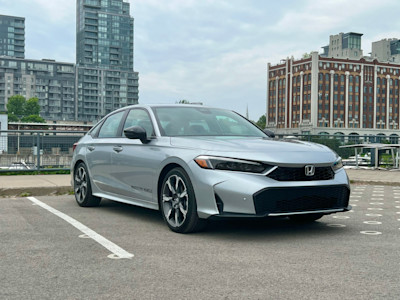
The Best Sedans of 2026
As more people flock to SUVs and crossovers, some automakers are killing off sedans. But others are doubling down, building some of the best four-door cars we’ve ever driven. For a supposedly dying segment, the sedan market looks awfully healthy.
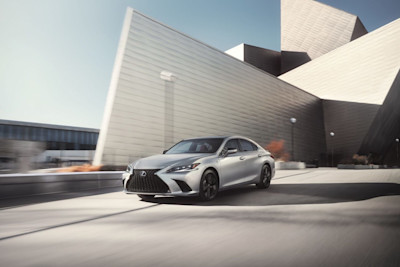
2025 Lexus ES Hybrid Pricing, Specs, and Release Date
Built for comfort and efficiency rather than raw performance, the Lexus ES Hybrid represents an impressive value for luxury-sedan shoppers.
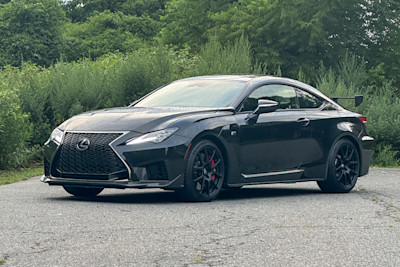
Who Makes Lexus Cars?
Lexus is a Japanese luxury brand that makes a full line of cars and SUVs for nearly every size category. It offers some performance versions of its cars, but the brand largely trends towards comfort and refinement in its products.

